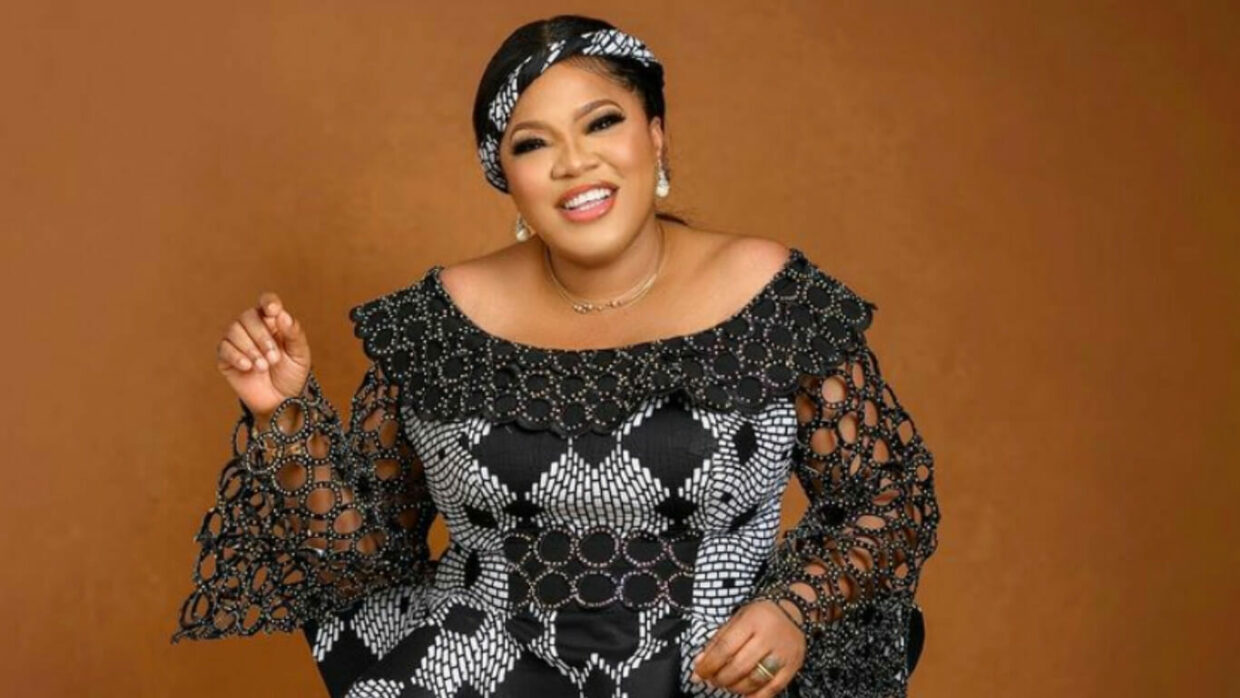
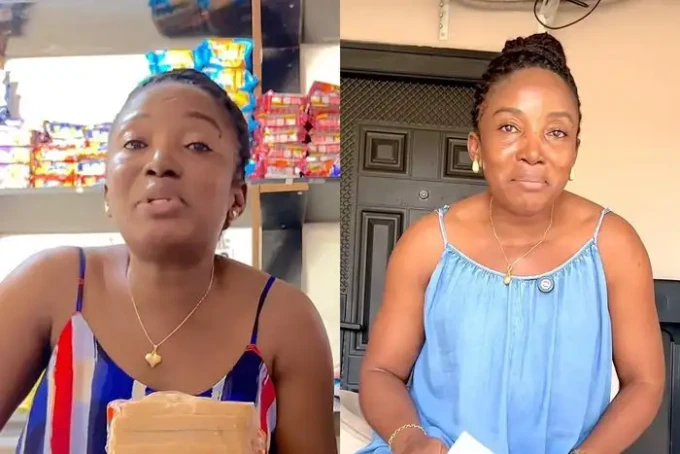
What began as a moment of generosity has evolved into one of Nollywood’s most talked about fallouts, as Toyin Abraham and her former protégé Abike Shugaa present conflicting narratives about their broken relationship.
In a detailed video shared online, Abike, born Pelumi Olawuni, recounted her journey from struggling entrepreneur to rising influencer and actress. She explained how a viral post about buying her sewing machine first connected her with Abraham, who later sent her financial support and initiated contact.
Their relationship soon developed into a working partnership. Abike was cast in projects such as Ago Alago and appeared in productions linked to Funke Akindele, including Jenifa’s Diary. She described the period as career defining, emphasizing her gratitude for the opportunities.
However, Abike clarified that she was not entirely dependent on the actress, noting that she had independent income streams through content creation and brand promotions, including international deals.
Tensions, according to her, began during the promotion of Malaika, where she claimed she played a significant role in publicity efforts. The situation reportedly escalated after she supported another project, A Tribe Called Judah, associated with Akindele, which she said was done with prior communication.
Abike alleged that this decision triggered accusations of disloyalty and marked the turning point in their relationship. She further claimed that disagreements escalated into personal conflicts, including alleged threats and professional setbacks.
One of her key grievances involved scenes she acted in for Ijakumo, which she said were removed without her knowledge. She also alleged that the fallout affected subsequent opportunities in the industry.
In response, Abraham chose a more restrained public stance, stating she would not engage in a detailed exce because she still regards Abike as a daughter. While disputing some claims, particularly regarding payments, she maintained that all obligations were met.
Her management also dismissed parts of Abike’s account as misleading, insisting there was no major conflict and that professional decisions, such as editing scenes, followed standard industry practice.
The situation highlights the complexities of mentorship, loyalty, and independence within Nollywood. What started as support and opportunity has now ended in a public disagreement, leaving both parties standing by their versions of events.








Leave a comment