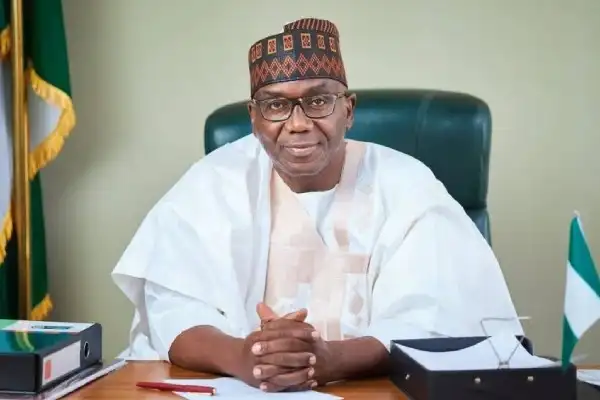
When the current administration under AbdulRahman AbdulRazaq assumed office in 2019, the education sector in Kwara State faced deep structural challenges, particularly in infrastructure and student performance.
One of the most pressing issues was decaying school infrastructure caused by years of underfunding. Accessing intervention funds from the Universal Basic Education Commission had stalled, as counterpart funding had not been paid between 2014 and 2019. This effectively halted development across public basic schools.
The administration addressed this gap by clearing all outstanding counterpart funding between 2019 and 2020, unlocking matching grants and enabling widespread infrastructure development. Since then, nearly 2,000 classrooms have been constructed or rehabilitated, with additional schools still under development.
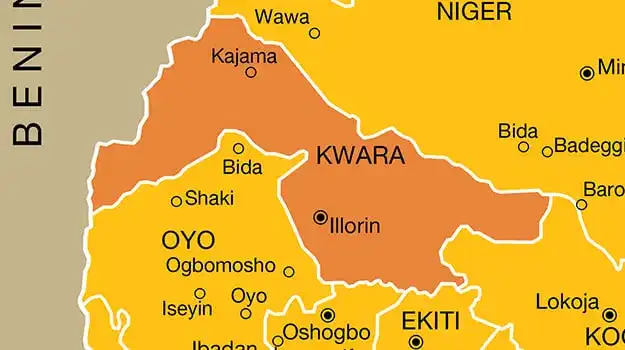
Teacher distribution and quality also posed major challenges. Urban areas like Ilorin had a concentration of teachers, while rural communities remained underserved, creating disparities in learning outcomes. To tackle this, the government introduced the Kwara LEARN programme.
Through this initiative, teachers across over 1,600 primary schools are equipped with digital tablets containing standardized lesson plans. This ensures that pupils in Ilorin receive the same quality of instruction as those in Baruten, Offa, and other parts of the state. The system also enables real time monitoring of teacher attendance and classroom activity, improving accountability and consistency.
Student performance has seen measurable improvement. Kwara students have emerged winners in national debate competitions for three consecutive years and have represented Nigeria internationally, reflecting rising academic standards. Performance in key examinations such as WAEC and NECO has also improved.
Teacher recruitment has been overhauled to emphasize merit and competence. A rigorous process involving computer based testing, teaching demonstrations, and even drug screening has ensured that only qualified and capable educators enter the system. Continuous training, including exposure to artificial intelligence tools, has further aligned teachers with modern trends.
Enrollment, particularly for girls, was another concern. To address this, the state leveraged the AGILE programme, supported by the World Bank. Female students in junior and senior secondary levels now receive financial stipends to encourage school attendance, significantly boosting enrollment.
At the tertiary level, institutions such as Kwara State University and Kwara State Polytechnic have undergone major upgrades, including improved facilities, ICT integration, and expanded academic programmes. Scholarship schemes and partnerships have also increased access and strengthened research capacity.
Despite these gains, challenges remain. Insecurity has disrupted learning in some areas, forcing temporary school closures and affecting attendance. Funding constraints and aging infrastructure also persist, though efforts are ongoing to mitigate these issues through strategic planning and partnerships.
Overall, the reforms have reshaped Kwara’s education sector, improving infrastructure, enhancing teaching quality, and raising student outcomes. The administration maintains that its most enduring legacy will be a transparent and merit driven teacher recruitment system, seen as the foundation for sustained progress.









Leave a comment