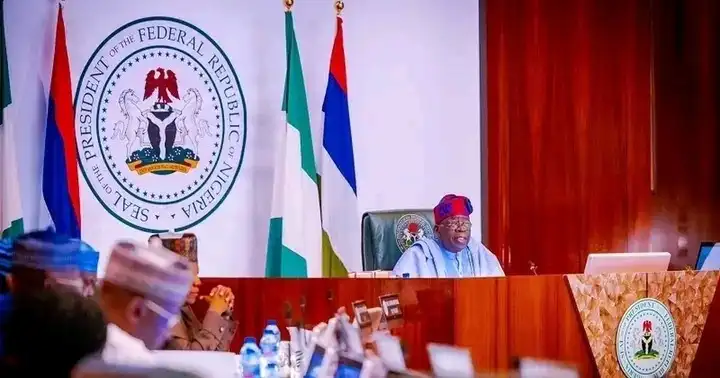
The Federal Government of Nigeria has moved to enforce financial discipline in the advertising and media sector by mandating that all payments for advertising services be completed within 45 days.
The directive, issued through the Advertising Regulatory Council of Nigeria, was announced by the Minister of Information and National Orientation, Mohammed Idris. The policy aims to address long standing debt challenges and improve transparency across the industry.
According to ARCON Director General Olalekan Fadolapo, the initiative aligns with the broader economic goals of President Bola Ahmed Tinubu under the Renewed Hope Agenda. He emphasized that eliminating debt within the advertising ecosystem is critical to ensuring ility, protecting media businesses, and attracting investment.
Under the new framework, all Media Purchase Orders and Local Purchase Orders must be settled within the stipulated 45 day period. Failure to comply will attract interest based on prevailing market rates. The policy is designed to ensure consistent cash flow for media houses and reduce the financial strain caused by delayed payments.
In addition, ARCON has reinforced rules governing agency transitions. Advertisers are now prohibited from engaging new agencies without fully settling outstanding obligations with previous ones. Both outgoing and incoming agencies are required to conduct formal checks to prevent ethical or financial disputes.
To further address conflicts, ARCON has introduced an Alternative Dispute Resolution platform. This mechanism will provide mediation and arbitration services, helping stakeholders resolve issues quickly and avoid prolonged debt disputes.
The government has urged all participants in the advertising value chain including advertisers, agencies, and media organizations to comply fully with the directive. Officials say the move will strengthen the industry, enhance professionalism, and create a more sustainable business environment.
The policy marks a significant shift toward accountability in Nigeria’s media economy, where delayed payments have long disrupted operations and growth.











Leave a comment