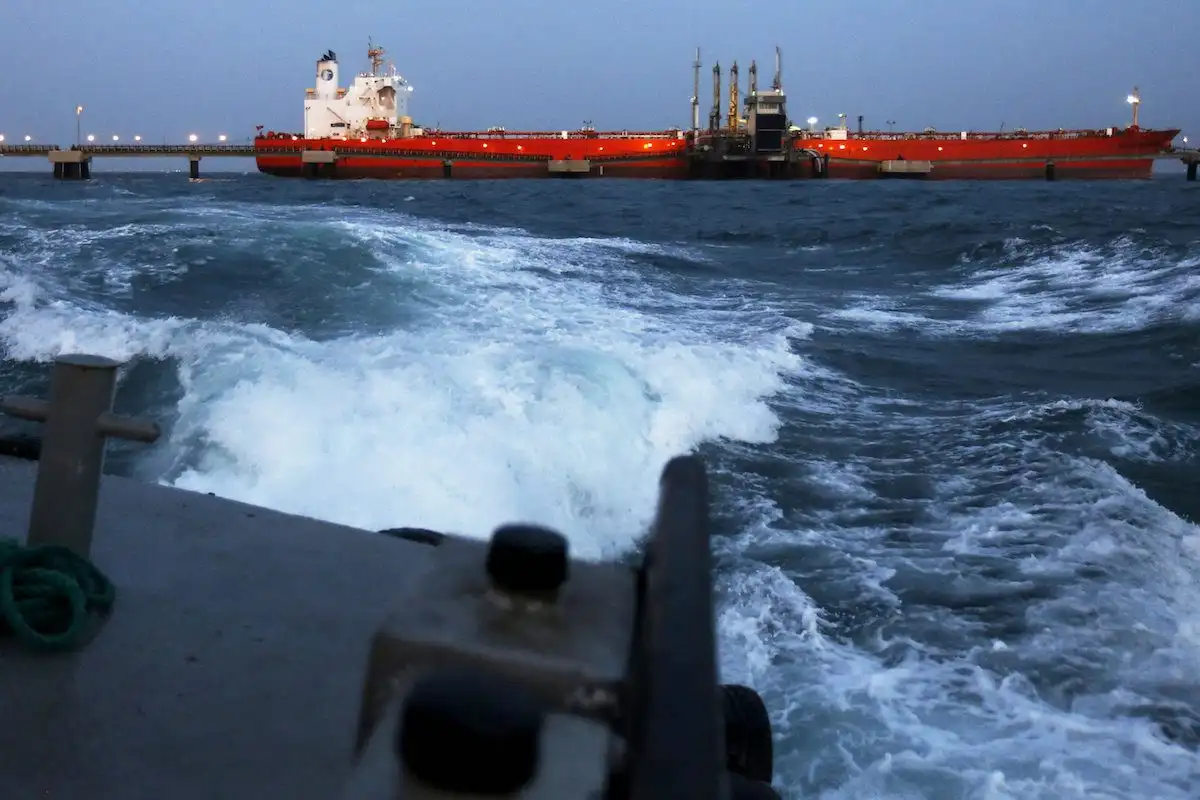
Heightened military tensions involving Iran, the United States and Israel are raising serious concerns across global maritime and trade sectors, as security risks increase along critical international shipping routes.
The escalation, marked by reciprocal strikes and expanded naval deployments, has intensified threats around the Strait of Hormuz, a vital corridor for global oil flows and commercial cargo. The waterway connects the Arabian Gulf to the Gulf of Oman and remains one of the most strategically sensitive maritime chokepoints in the world.
Maritime security agencies have issued fresh advisories to ship operators, warning of potential missile, drone and naval incidents that could disrupt vessel traffic. Shipping companies are reviewing sailing routes, while marine insurers are reassessing risk exposure and war risk premiums for voyages in the region.
Reports indicate that prior to United States strikes, Israel described its actions against Iran as preventative. Iran responded with missile s targeting Israel and reportedly struck sites in Riyadh as well as United States air bases in Qatar, Kuwait, the United Arab Emirates and Bahrain.
The widening conflict threatens vessels operating in the Arabian Gulf, Gulf of Oman and Northern Arabian Sea. Experts warn that electronic interference may disrupt Automated Identification Systems and other navigation tools, increasing the risk of accidents or miscalculation. While it remains unclear whether commercial vessels will be directly targeted, collateral damage near port infrastructure is considered a realistic possibility.
Maritime analyst Ade Olopoenia cautioned that prolonged escalation could significantly impact oil exports from Iran and Iraq, pushing up global crude prices, freight rates and insurance costs. He warned that many ship operators may avoid the region entirely due to fears of being caught in crossfire, further straining global supply chains.












Leave a comment