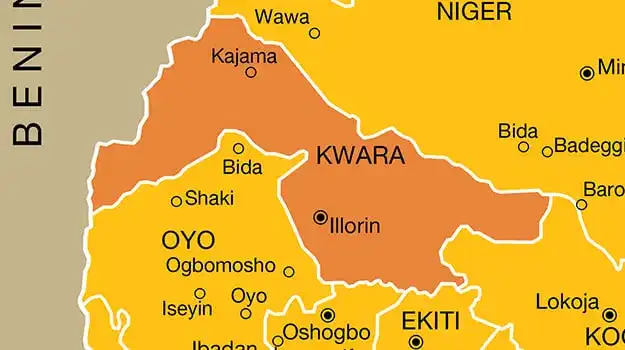
Political tension is gradually building in Kwara State as stakeholders from Kwara North intensify calls for the zone to produce the next governor in 2027, citing decades of political exclusion and imbalance in the state’s power structure.
Since Nigeria’s return to democratic rule in 1999, Kwara Central and Kwara South have dominated the governorship seat. By 2027, Kwara Central would have held power for about twenty years, while Kwara South governed for eight years under former governor Abdulfatah Ahmed. In contrast, Kwara North has never produced a governor.
At a recent press conference in Ilorin, leaders of the All Progressives Congress from the five local government areas in Kwara North made a strong appeal for equity, urging the party to zone its 2027 governorship ticket to the district. According to their spokesperson, the demand is rooted in fairness, inclusiveness, and the need to sustain Kwara’s identity as a “State of Harmony.”
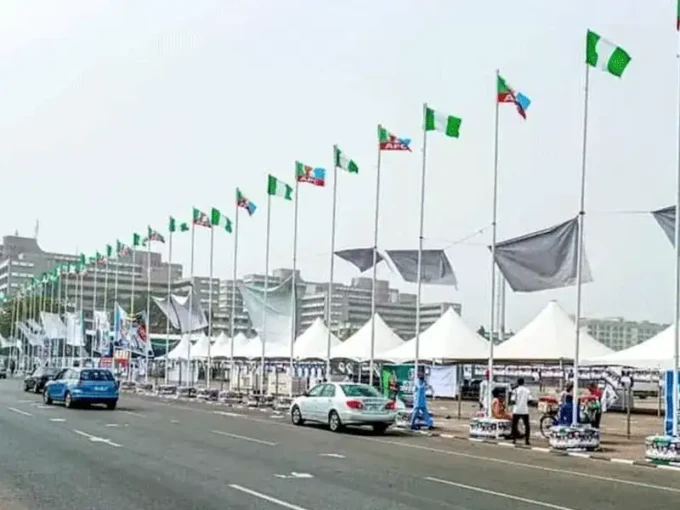
The agitation gained further momentum during a mega rally held at Metropolitan Square, where thousands gathered to reinforce the call. Political leaders, traditional rulers, and party stakeholders emphasized unity and the importance of giving Kwara North a fair chance at leadership.
Among those present were key aspirants including Sadiq Suleiman Umar and Salihu Yakubu Danladi, alongside other prominent figures from the district.
Speakers at the rally stressed that the demand was not based on sentiment but on democratic balance. They argued that for a state built on three senatorial districts, leadership rotation is essential to maintaining political ility and trust.
The event also featured strong endorsements for President Bola Ahmed Tinubu, with participants pledging continued support for his administration.
As the 2027 elections approach, the debate over zoning and inclusion is expected to shape political alignments across Kwara State, raising broader questions about equity, representation, and the future of democratic fairness in the region.




Leave a comment