
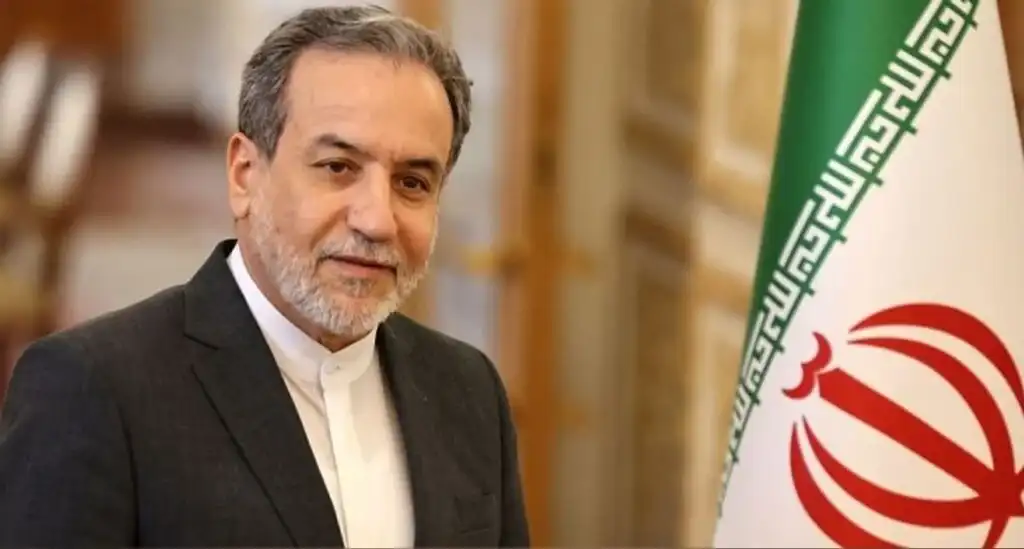
Iran’s foreign minister Abbas Araghchi returned to Islamabad on Sunday for further consultations with Pakistani officials as international mediators continue efforts to keep fragile peace talks on track despite sudden ces in United States diplomatic plans.
According to Iranian state media, Araghchi is expected to present Iran’s position on a potential framework aimed at ending the ongoing conflict in the Middle East. His return follows earlier meetings in Islamabad and a brief visit to Oman where additional diplomatic discussions took place.
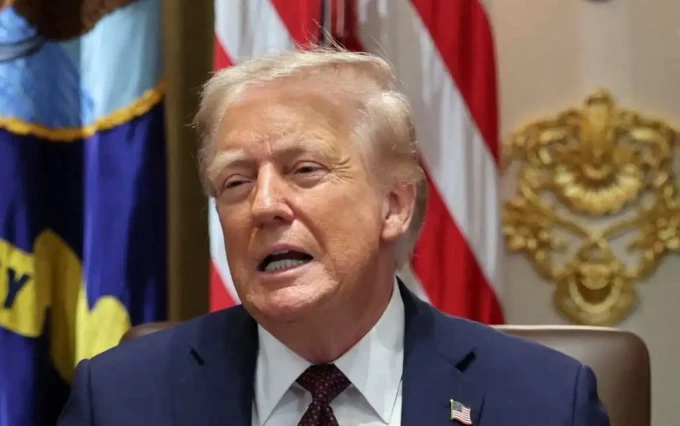
The diplomatic push comes amid confusion after United States President Donald Trump cancelled a planned trip by US peace envoys Steve Witkoff and Jared Kushner. Trump said there was no point continuing talks at that moment, though he later suggested negotiations were still evolving.
Trump also claimed that Tehran had quickly revised its diplomatic proposal shortly after the cancellation, though he did not provide further details on the content of the exces. He added that the situation does not necessarily indicate a return to open conflict.
Despite diplomatic uncertainty, Araghchi described his earlier talks in Pakistan as very fruitful, while expressing cautious skepticism about Washington’s intentions and commitment to sustained negotiations.
In Islamabad, Araghchi met with Pakistan’s military leadership, Prime Minister Shehbaz Sharif, and Foreign Minister Ishaq Dar, with Pakistan continuing to play a mediating role in regional diplomacy. He is expected to travel onward to Moscow after concluding discussions.
Tensions remain high across the region as the Strait of Hormuz, a critical global energy route, continues to face disruption amid heightened military posturing. Iran’s Revolutionary Guards have signaled they intend to maintain strategic pressure in the area, further unsettling energy markets.
Meanwhile, developments on other regional fronts have intensified concerns, with renewed Israeli military action reported in southern Lebanon following accusations against Hezbollah of violating ceasefire terms.
As diplomatic efforts continue across multiple capitals, the situation remains fluid with global attention focused on whether negotiations can prevent further escalation in an already volatile region.









Leave a comment