
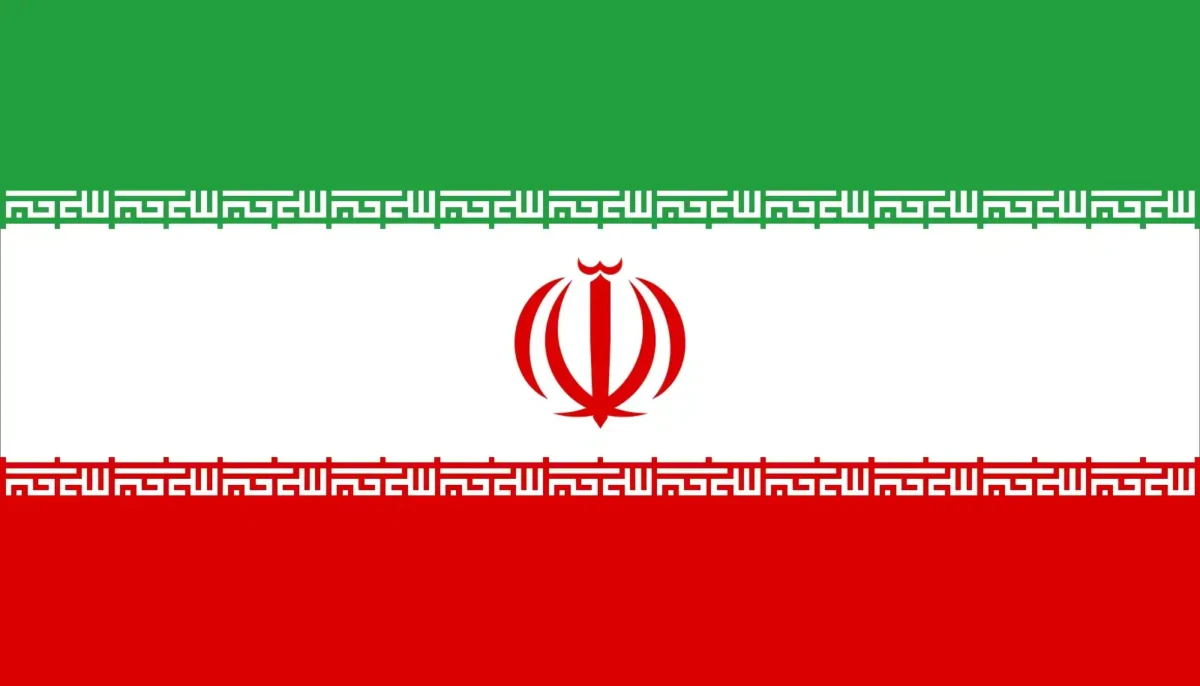
Tensions in the Middle East have escalated sharply after Iran’s military threatened retaliation against the United States following an incident involving a naval confrontation in the Gulf of Oman.
According to Iranian officials, a US Navy destroyer fired on an Iranian flagged cargo vessel identified as Touska after it allegedly attempted to evade a US imposed naval blockade. The confrontation occurred on Sunday in waters near the strategically critical Gulf of Oman.
A spokesperson for Iran’s central military command, Khatam al Anbiya Central Headquarters, condemned the action, describing it as armed piracy and a violation of an existing ceasefire agreement. The official warned that Iran’s armed forces would respond decisively to what it considers an act of aggression.
On the US side, President Donald Trump confirmed the encounter in a post on Truth Social. He stated that the guided missile destroyer USS Spruance engaged the vessel after it ignored repeated warnings to halt. According to Trump, the US ship disabled the cargo vessel by targeting its engine room, bringing it to a stop. He added that US Marines have since taken control of the ship and are inspecting its contents.
The incident comes amid heightened tensions in the Strait of Hormuz, a vital passage for global energy supplies. The waterway has experienced disruptions in recent weeks due to the ongoing conflict involving the United States, Israel, and Iran.
Iran had briefly reopened the strait following a ceasefire linked to clashes between Israel and Hezbollah in Lebanon. However, it quickly reversed that decision, citing continued US enforcement of a blockade on vessels connected to Iranian ports.
Earlier on Sunday, Trump accused Iran of breaching the ceasefire by launching s in the shipping corridor, further complicating an already fragile situation. The ceasefire agreement, which began on April 8, is set to expire later this week.
The latest developments have raised concerns about the potential for broader military escalation in the region, particularly given the strategic importance of international shipping lanes and the already volatile geopolitical climate.











Leave a comment