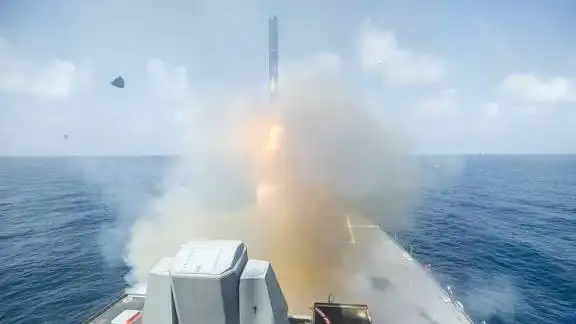
Shipping insurers have begun canceling war risk coverage for vessels operating in parts of the Persian Gulf as the conflict involving Iran, Israel, and the United States continues to escalate. The move reflects growing concern within the maritime industry that the expanding military confrontation could threaten commercial shipping routes that are vital to global trade and energy supply.
War risk insurance is a specialized form of coverage that protects ships and cargo against damage or loss resulting from armed conflict, missile strikes, mines, or other military activity. Without this protection, many shipping companies face significant financial risks when operating in areas considered dangerous. The sudden withdrawal or suspension of such coverage can effectively prevent vessels from entering certain waters because ship owners, charterers, and cargo operators are unwilling to accept the potential liability.
Industry sources say insurers began reassessing coverage conditions following reports of missile launches, naval operations, and rising military activity across the region. Underwriters responsible for maritime insurance policies have reportedly concluded that the threat level in parts of the Gulf has risen sharply, making it difficult to maintain standard war risk policies without dramatically increasing premiums.
The decision has immediate consequences for shipping companies that rely on Gulf routes to transport oil, liquefied natural gas, and other commodities. The region contains several of the world’s most important export terminals, and ships leaving ports in Saudi Arabia, Kuwait, Iraq, and the United Arab Emirates typically pass through the Strait of Hormuz before reaching international markets.
Maritime analysts say the loss of insurance coverage could disrupt global supply chains if vessels are forced to delay voyages or seek alternative arrangements. In some cases, governments or national shipping organizations may step in to provide temporary guarantees or emergency coverage, but such solutions are often limited and may not fully replace commercial insurance services.
Shipping companies are now conducting urgent risk assessments before committing vessels to voyages through the Gulf. Some operators are reportedly delaying departures while they evaluate security conditions and negotiate revised insurance terms. Others are exploring possible rerouting strategies, though the geography of the region means there are few realistic alternatives to the Strait of Hormuz for large scale energy shipments.
Energy markets are closely watching these developments because any disruption to maritime transport could affect global oil and gas supplies. Even the perception that shipping routes are becoming unsafe can influence market behavior, causing price volatility and prompting traders to anticipate potential shortages.
International governments have also begun discussing ways to protect commercial shipping if the conflict continues to intensify. In past crises, multinational naval patrols have been deployed to escort merchant vessels and deter s on shipping. Security experts say similar measures could be considered if threats to maritime traffic increase.
For the global shipping industry, the withdrawal of war risk coverage serves as a powerful signal of how seriously insurers view the security situation. As military activity continues across the region, the ability of ships to safely and financially operate in the Gulf will remain closely tied to the trajectory of the conflict.













Leave a comment