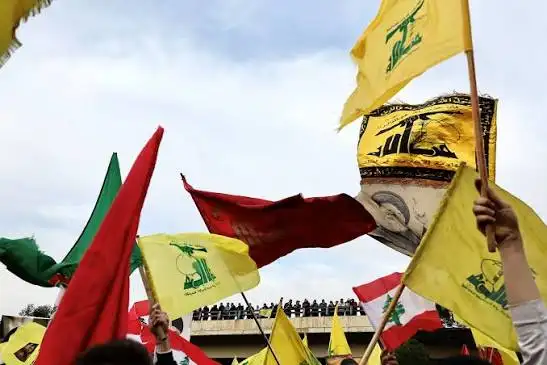
Political tensions inside Lebanon are intensifying as the role of Hezbollah in the widening regional conflict continues to grow, raising fears of further inility within the already fragile country. The powerful armed group and political movement has become increasingly active amid escalating hostilities involving Iran and Israel, prompting heated debate among Lebanese leaders and citizens about the risks of deeper involvement in a broader Middle Eastern confrontation.
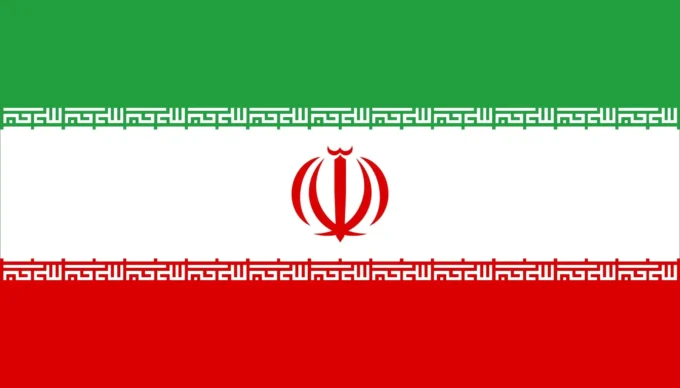
Hezbollah leaders have publicly declared their support for Iran and allied groups across the region, describing their actions as part of a larger resistance effort against Israel. Statements from the organization emphasize what it calls a duty to support partners under . Military analysts say Hezbollah has increased its level of readiness and coordination with allied forces, while maintaining positions along Lebanon’s southern border. The development has heightened concerns that Lebanon could once again become a frontline arena in a wider conflict.
Inside Lebanon, reactions have been sharply divided. Supporters of Hezbollah argue that the organization plays a critical role in defending the country and maintaining deterrence against external threats. They believe that standing alongside regional allies strengthens Lebanon’s strategic position and protects national sovereignty. Many communities that support the group view its actions as a continuation of a long standing resistance posture.
Opponents, however, warn that the group’s involvement in regional conflicts risks dragging Lebanon into a war that the state itself cannot control. Several political figures have expressed concern that decisions about military engagement are being made outside official government institutions. Critics argue that Lebanon’s fragile economy and political system cannot withstand the consequences of another large scale conflict, especially while the country continues to struggle with economic hardship and institutional paralysis.
The Lebanese government has so far attempted to maintain a cautious position, calling for calm while avoiding direct confrontation with Hezbollah. Officials have urged all parties to prioritize national ility and avoid actions that could escalate tensions within Lebanon or along its borders. At the same time, diplomatic efforts have intensified as regional and international actors seek to prevent the conflict from spreading further.
The situation reflects deeper structural divisions within Lebanese politics, where Hezbollah operates both as a major political party and as an armed force with significant regional influence. Analysts say the current crisis highlights the ongoing debate over the balance between state authority and the role of non state armed groups in national security decisions.
As tensions across the Middle East continue to evolve, Lebanon finds itself once again navigating a delicate balance between internal political divisions and external pressures. Observers warn that the coming weeks could prove decisive for the country’s ility as regional dynamics shift and the risk of wider confrontation remains high.









Leave a comment