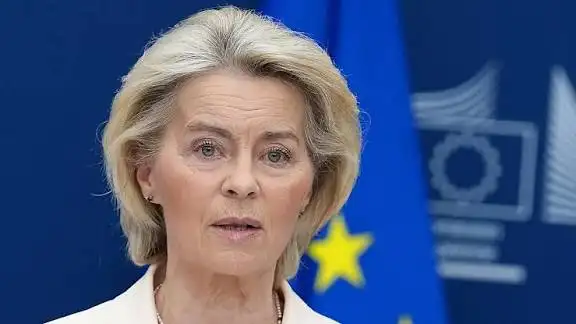
European leaders are intensifying diplomatic discussions as the escalating conflict in the Middle East raises serious concerns about regional ility and global security. Governments across Europe are weighing their response to the growing confrontation involving Iran, Israel, and the United States while attempting to balance support for allies with efforts to prevent a broader regional war. The issue has quickly become one of the most urgent topics on the European political agenda as missiles, military strikes, and rising tensions threaten to draw additional countries into the crisis.
Officials from several European capitals have emphasized the importance of diplomacy and de escalation as the primary path forward. Foreign ministers and heads of government have held emergency consultations to coordinate positions and explore possible mediation efforts. Many European leaders believe the conflict risks spiraling beyond the immediate participants if urgent diplomatic engagement does not take place. Calls for restraint have been repeated across the continent as policymakers attempt to prevent further escalation that could deilize the wider Middle East.
At the same time, European governments remain divided over how strongly to align with the military approach taken by the United States and Israel. Some leaders argue that Iran’s actions require a firm response and support maintaining pressure on Tehran through diplomatic isolation and economic measures. Others caution that excessive confrontation could worsen the situation and undermine the chances of a negotiated settlement. These differing views have led to intense debate within European institutions as governments attempt to formulate a coordinated strategy.
Energy security has also become a central concern in the discussions. Europe remains sensitive to disruptions in global energy markets, particularly after previous crises that exposed vulnerabilities in supply chains. The possibility of disruptions to shipping routes in the Gulf has heightened fears that energy prices could surge and place additional pressure on European economies. As a result, leaders are closely monitoring developments while exploring contingency plans to protect energy supplies and limit economic fallout.
Another key issue facing European policymakers is the humanitarian impact of the expanding conflict. Governments are increasingly worried about civilian casualties and the potential for new refugee flows if violence spreads further across the region. European officials have called for international humanitarian access and renewed diplomatic engagement to prevent the crisis from deepening. Aid agencies are also urging governments to prepare for possible humanitarian emergencies should the conflict continue to intensify.
Diplomats across Europe are now working through multiple channels to encourage dialogue among the parties involved. Some governments have suggested reviving multilateral negotiations that could address security concerns while reducing the risk of further confrontation. Whether such efforts will succeed remains uncertain, but the urgency of the moment has pushed European leaders to actively pursue diplomatic solutions while carefully navigating the complex geopolitical dynamics surrounding the crisis.









Leave a comment