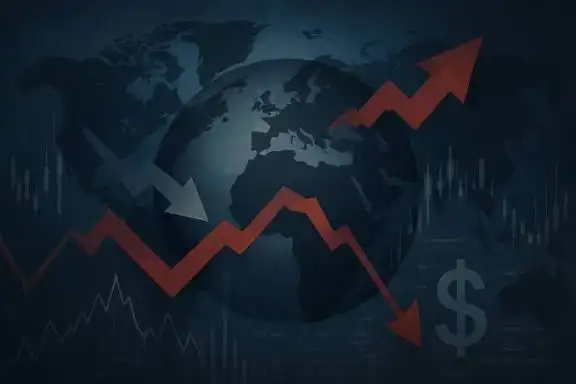
Commodity markets across the world are experiencing intense volatility as geopolitical tensions linked to the conflict involving Iran continue to influence global trade and investment activity. Prices for energy, metals, and agricultural goods have moved sharply in recent trading sessions as investors react to uncertainty surrounding supply routes, production capacity, and the broader economic outlook. Financial analysts say the sudden swings in commodity values reflect growing concern that disruptions in the Middle East could ripple across multiple sectors of the global economy.
Energy commodities have been among the most sensitive to the unfolding situation. Oil prices have surged as traders evaluate the risk of supply interruptions from one of the world’s most important energy producing regions. Natural gas markets have also experienced fluctuations as energy companies and investors attempt to forecast potential ces in demand and transportation patterns. The uncertainty surrounding energy supply chains has created a highly reactive environment where prices can shift quickly in response to new developments.
Metals markets are also showing signs of inility as manufacturers and commodity traders reassess their expectations for industrial production. Key industrial metals such as aluminum and copper are seeing increased trading activity as investors weigh the possibility of supply disruptions and rising energy costs. Since energy plays a major role in metal production, any increase in fuel prices can significantly affect manufacturing expenses and global supply levels. This dynamic has contributed to rapid price movements across metals exces in recent days.
Agricultural commodities have not been immune to the turbulence affecting global markets. Products such as edible oils and grains have recorded price swings as transportation concerns and rising energy costs influence agricultural supply chains. Higher fuel prices can raise the cost of farming operations, shipping, and food processing, which in turn affects the price of agricultural goods on international markets. Traders are closely monitoring how logistics networks and shipping conditions evolve as the conflict continues.
Economists note that periods of geopolitical tension often produce widespread uncertainty in financial markets, particularly in sectors directly tied to global trade and energy supply. Governments and financial institutions are now watching commodity markets closely as they evaluate the potential economic consequences of sustained volatility. While price swings may moderate if conditions ilize, analysts caution that ongoing uncertainty in the Middle East could continue to shape commodity trading patterns in the near future.











Leave a comment