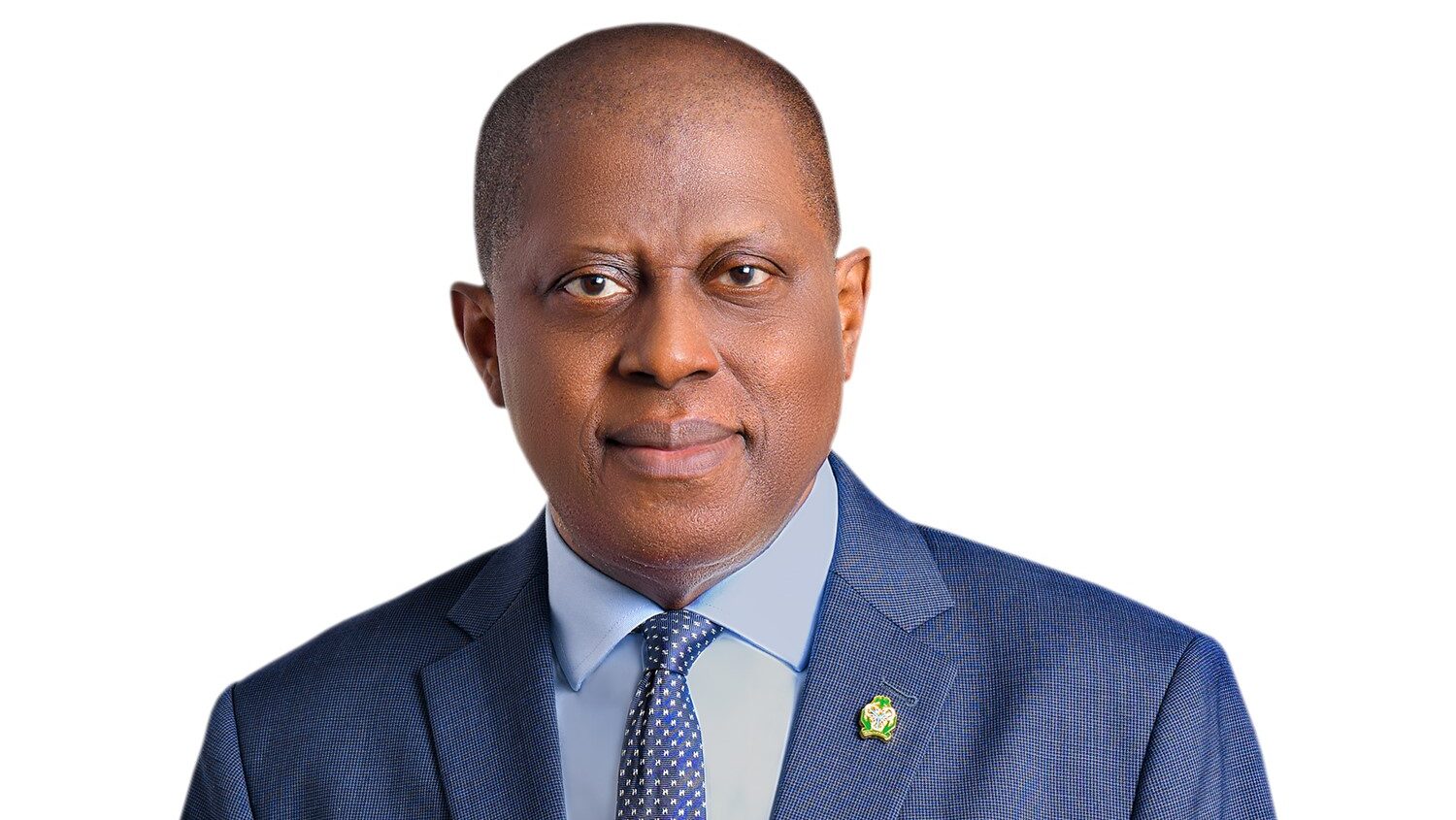
The leadership of Nigeria’s apex bank has often reflected not just economic philosophy but also personal style and temperament. Recent commentary comparing Olayemi Cardoso with his predecessors, particularly Charles Soludo and Lamido Sanusi, highlights how differing approaches have shaped outcomes in the country’s financial system.
Cardoso is widely perceived as a reserved and conservative central banker. Unlike Soludo, whose tenure was marked by strong confidence and sometimes combative responses to criticism, Cardoso has adopted a more measured tone. Critics note that he listens, engages, and rarely dismisses opposing views outright. This has helped him maintain credibility even when policy outcomes, such as exce rate projections, fall short of expectations.
Soludo’s era, on the other hand, is often remembered for bold reforms, including the consolidation of banks. However, his critics argue that excessive confidence in his framework created blind spots. The period that followed exposed deep structural weaknesses in the banking system, including widespread governance failures and financial misreporting.
When Sanusi took over leadership of the Central Bank of Nigeria, he inherited a fragile sector on the brink of collapse. Drawing from his insider experience in the banking industry, he uncovered significant irregularities, including falsified financial statements and widespread insider abuses. His tenure was defined by decisive intervention, including the removal of bank executives and the enforcement of stricter regulatory standards.
A major outcome of that crisis was the elishment of the Asset Management Company of Nigeria in 2009. AMCON was created to absorb toxic assets from banks and ilise the financial system. While the intervention helped avert a total collapse, it also left Nigeria with a heavy financial burden, as a significant portion of bailout funds remains unrecovered.
Sanusi’s reforms restored a measure of confidence in the banking system, but not without cost. His tenure also ended controversially following his suspension, an event that sparked debate about the independence of the central bank.
In comparing these leaders, a recurring theme emerges: the balance between confidence and caution. While Soludo’s ambitious reforms reshaped the banking landscape, they were undermined by systemic weaknesses and oversight gaps. Sanusi’s bold corrective actions ilised the system but came with long term fiscal consequences. Cardoso, by contrast, appears focused on steady, less dramatic policymaking, prioritising ility and institutional trust.
As Nigeria continues to navigate economic uncertainty, the evolving leadership style at the Central Bank remains a critical factor in shaping financial ility and public confidence.











Leave a comment