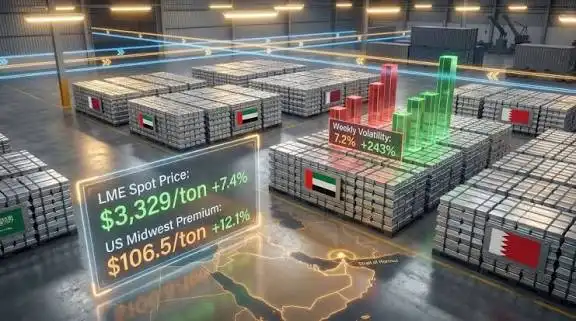
Aluminum prices have climbed to their highest level in four years as global markets react to energy disruptions linked to rising tensions in the Middle East. Traders across major commodity exces report that the metal has experienced a strong surge in value as investors assess the potential impact of higher energy costs on industrial production. The price increase reflects growing concern that energy supply challenges could influence aluminum manufacturing in several regions of the world.
Aluminum production is highly dependent on large and consistent supplies of electricity, making the industry particularly sensitive to fluctuations in energy prices. When fuel costs rise sharply, smelters often face higher operating expenses that can affect overall production levels. Analysts say the current surge in energy prices has created uncertainty among producers and investors who are trying to determine how long elevated costs may persist.
Commodity markets have responded quickly to these concerns, with increased trading activity pushing aluminum prices upward. Investors are paying close attention to energy developments because many aluminum smelting facilities rely on natural gas and other fuels to generate the electricity needed for refining operations. If energy supply conditions remain uncertain, some producers could consider reducing output to manage costs, which would further tighten global supply.
Manufacturing industries that depend on aluminum are also watching the market closely. The metal is widely used in construction, transportation, packaging, and consumer electronics, making it an essential material for modern industrial production. Rising aluminum prices can increase manufacturing costs for companies that rely on the metal for producing vehicles, appliances, and infrastructure components. As a result, businesses across multiple sectors are evaluating how the latest price movements may influence their operations.
Economists note that the surge in aluminum prices illustrates how geopolitical developments can affect a wide range of global industries. When energy markets experience sudden shifts, the effects often extend beyond oil and gas into metals, agriculture, and other commodities. If energy disruptions continue, analysts believe the aluminum market may remain volatile as producers and investors respond to the cing economic landscape.













Leave a comment