
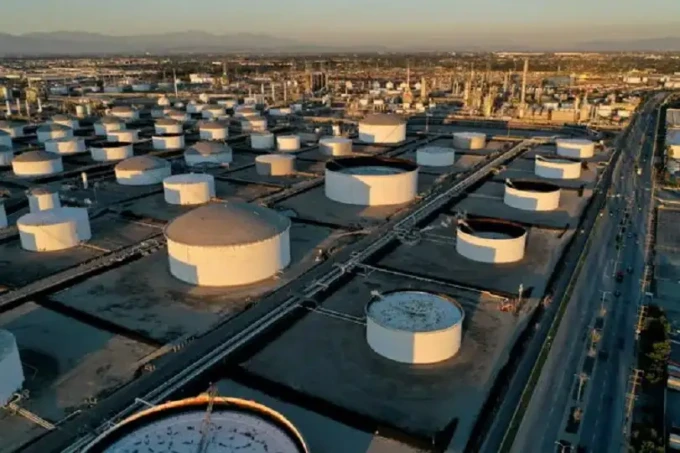
Financial markets reacted sharply as oil prices surged toward one hundred twenty dollars per barrel, prompting a noticeable decline in Wall Street futures. Investors around the world are closely monitoring the developing energy shock linked to the expanding war in the Middle East. The sudden rise in crude prices has intensified concerns that higher fuel costs could ripple through the global economy, increasing pressure on industries and consumers already dealing with economic uncertainty.
Market analysts said futures tied to major United States stock indexes slipped during overnight trading sessions as traders reassessed the economic outlook. Higher energy prices often translate into increased operating expenses for transportation companies, manufacturers, and airlines, which can weigh heavily on corporate earnings expectations. As a result many investors shifted toward more defensive assets while reducing exposure to sectors that are particularly sensitive to fuel costs. The movement reflected growing caution across financial markets as geopolitical developments continued to influence economic sentiment.
Energy markets have been particularly volatile in recent days as traders attempt to gauge how prolonged tensions in the Middle East might affect supply routes. The region remains a central pillar of the global oil system and disruptions connected to conflict can quickly influence price movements. The rapid climb in crude values has therefore become a focal point for financial institutions, central banks, and government officials who are monitoring potential consequences for inflation and economic growth.
Economists warn that sustained oil prices near the one hundred twenty dollar level could produce widespread economic challenges. Higher fuel costs raise transportation expenses and often lead to increased prices for goods and services throughout the supply chain. This dynamic can fuel inflation at a time when many economies are still attempting to ilize price growth. Policy makers may therefore face renewed pressure to balance inflation control with efforts to sustain economic momentum.
Despite the decline in futures markets, some analysts emphasize that financial conditions remain fluid and could shift quickly depending on geopolitical developments. If energy supply fears ease or diplomatic progress emerges, markets could regain ility. However the current environment highlights how closely global financial systems are linked to energy security. As the situation in the Middle East continues to evolve, investors are preparing for further volatility across commodities, currencies, and equity markets.











Leave a comment