
Prime Minister Pedro Sánchez has publicly expressed opposition to further military escalation against Iran, signaling a cautious stance from Spain as tensions in the Middle East continue to intensify. The remarks came amid growing international pressure and diplomatic discussions involving allies of United States regarding potential responses to the widening regional conflict.
Speaking during a government briefing in Madrid, Sánchez emphasized the importance of diplomatic solutions rather than expanded military action. He stated that Spain believes the international community should prioritize de escalation efforts and dialogue in order to prevent the conflict from spreading further across the region. According to the prime minister, continued military confrontation could create broader inility with serious humanitarian and economic consequences.
Spain is a member of NATO and maintains close strategic ties with the United States and other Western allies. Because of these alliances, the country often participates in consultations about international security matters and joint responses to global crises. However, Spanish officials indicated that Madrid remains committed to pursuing a diplomatic approach whenever possible, especially in conflicts that risk drawing multiple countries into direct confrontation.
Government representatives said Spain has been actively participating in international discussions aimed at reducing tensions and encouraging negotiations. Diplomats from the Spanish foreign ministry have been in contact with partners across Europe and the Middle East in an effort to promote dialogue between opposing sides. Officials also noted that Spain supports multilateral frameworks designed to prevent further escalation while maintaining regional ility.
The prime minister’s comments highlight ongoing differences among Western governments regarding how to respond to the escalating crisis involving Iran. While some political leaders have signaled support for stronger military measures, others argue that diplomatic channels should remain the primary path for resolving disputes. Analysts say these differences reflect broader debates within international alliances about the balance between deterrence and diplomacy.
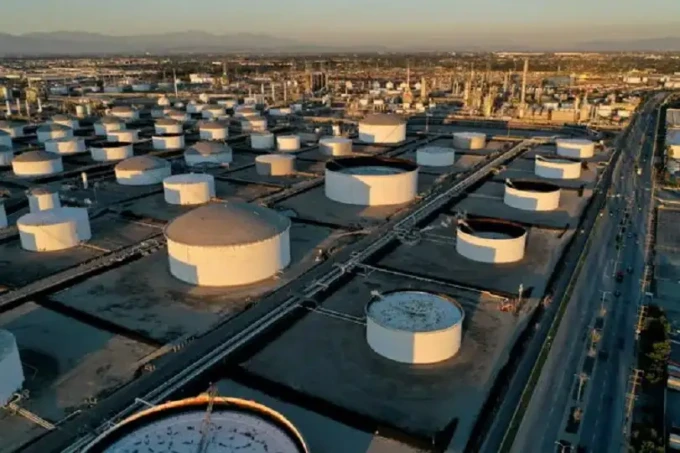
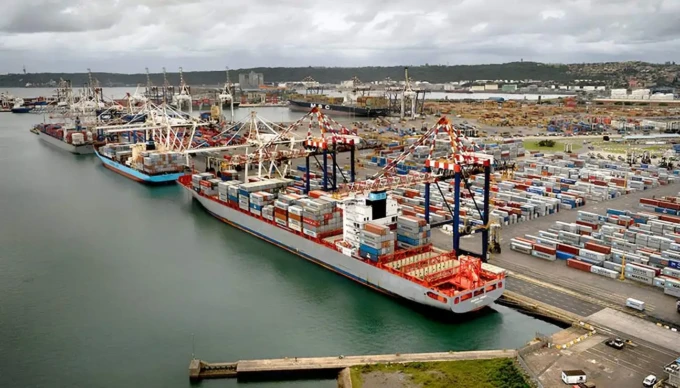
Spanish political leaders have also raised concerns about the potential economic impact of a wider conflict. The Middle East plays a crucial role in global energy markets and international trade routes. Any prolonged military escalation could disrupt energy supplies, increase shipping costs, and contribute to volatility in financial markets. Spanish economic officials are closely monitoring developments in order to assess possible implications for European economies.
Humanitarian considerations are another factor influencing Spain’s position. Government representatives have warned that a major regional war could lead to large scale displacement of civilians and create additional pressure on international aid organizations. Spain has historically supported humanitarian relief efforts in conflict zones and has advocated for policies that prioritize the protection of civilian populations.
Political observers say Sánchez’s statements reflect a broader trend within parts of Europe where leaders are seeking to balance alliance commitments with calls for restraint. While Spain continues to cooperate with international partners on security matters, the government has made clear that it prefers diplomatic engagement and conflict resolution rather than expanded military confrontation.
As international discussions continue, Spain is expected to remain involved in diplomatic initiatives designed to reduce tensions and encourage dialogue. Officials in Madrid have reiterated that lasting ility in the Middle East will ultimately depend on negotiation, cooperation, and a commitment by all parties to avoid actions that could further inflame the situation.








Leave a comment