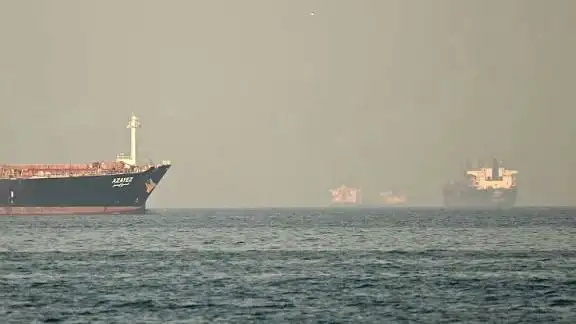
Shipping activity through the Strait of Hormuz remains severely disrupted as tensions connected to the Iran war continue to influence one of the most important maritime corridors in the world. Maritime monitoring agencies report that a significant number of commercial vessels are delaying passage through the narrow waterway due to growing security concerns. The strait serves as a vital route for global energy shipments and any interruption to normal traffic immediately draws attention from governments, shipping companies, and energy markets around the world.
Industry analysts note that the current situation has led to a sharp decline in tanker movements and cargo vessel transits through the area. Ship operators are closely tracking security updates while coordinating with naval authorities and maritime security organizations before making navigation decisions. Insurance providers have also reassessed risk levels for ships traveling through the region, which has increased operational costs for companies involved in transporting oil and other commodities. These developments have added pressure to an already sensitive global supply chain.
The Strait of Hormuz sits between Iran and several Gulf states and acts as the primary exit point for a large share of the world’s exported crude oil. Energy analysts say that even short term disruptions can influence global price expectations because of the volume of resources that normally pass through the corridor each day. Traders and policy makers are therefore watching developments closely as they evaluate the potential consequences for international energy supply and market ility.
Several naval forces operating in the region have increased surveillance and patrol activity in response to the heightened tension. Maritime authorities have advised commercial ships to follow designated transit routes and maintain close communication with security coordinators while navigating the waterway. These precautionary steps are intended to reduce the risk of incidents while ensuring that essential trade can continue despite the uncertain environment surrounding the conflict.
Economists and geopolitical observers emphasize that the situation in the Strait of Hormuz has implications far beyond the Middle East. Any prolonged reduction in shipping through the corridor could influence energy prices, transportation costs, and broader economic activity. As diplomatic efforts continue in parallel with ongoing military developments, the ility of this strategic maritime route remains a central concern for international leaders and global markets.









Leave a comment