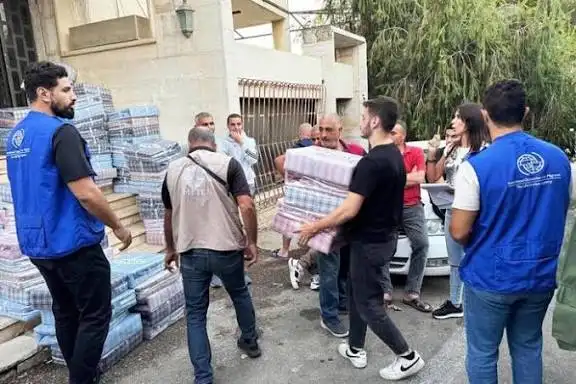
The conflict involving Iran, Israel, and the United States has entered its second week with growing concern over the humanitarian consequences across several parts of the Middle East. Civilian communities in Iran, Lebanon, and Israel are facing mounting challenges as the continued military confrontation disrupts daily life and essential services. Local authorities and humanitarian organizations report that the strain on hospitals, emergency services, and transportation networks has increased as the situation continues to unfold.
Officials in multiple countries say the number of people affected by the crisis is steadily rising as infrastructure damage and security restrictions complicate movement within major cities. Medical facilities have been working under intense pressure while responding to growing demand for treatment and emergency assistance. Governments are also encouraging residents in certain areas to follow safety guidance and remain alert as the regional security situation remains uncertain.
Humanitarian agencies monitoring the conflict warn that the longer the confrontation continues, the greater the risk of widespread displacement and social disruption. Communities near areas experiencing heavy military activity are facing uncertainty about access to essential supplies such as food, medicine, and clean water. Aid organizations are coordinating with local authorities to assess needs and prepare contingency plans for potential humanitarian assistance if conditions worsen.
The regional impact is not limited to immediate humanitarian concerns. Economic disruptions caused by the conflict are also affecting everyday life for millions of people. Businesses have experienced interruptions while transportation and supply networks across parts of the region have faced delays and logistical challenges. Analysts say these factors can intensify pressure on local populations if the conflict continues without a clear path toward de escalation.
International leaders and humanitarian groups are urging all parties involved to prioritize the protection of civilian communities while seeking diplomatic solutions. Several global organizations have called for continued dialogue aimed at ilizing the region and reducing risks to the population. As the second week of the crisis unfolds, attention is increasingly focused on how the humanitarian situation will evolve alongside the broader geopolitical confrontation.








Leave a comment