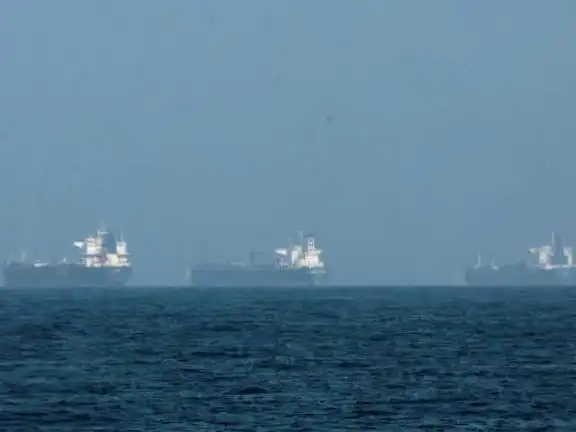
Several commercial vessels remain positioned outside the Strait of Hormuz as ship operators delay passage through one of the world’s most critical energy shipping corridors. Maritime tracking services report that a growing number of oil tankers and cargo ships have paused their journeys near the entrance to the strait while companies monitor regional developments. The cautious approach reflects mounting concern within the shipping industry as tensions in the surrounding region continue to influence commercial decision making.
The Strait of Hormuz connects the Persian Gulf with the Gulf of Oman and the broader global maritime network. A large share of internationally traded crude oil and liquefied natural gas travels through this narrow passage each day, making its ility vital for global energy markets. When uncertainty increases in the region, shipping companies often reassess travel schedules and coordinate closely with maritime authorities and insurers before allowing vessels to proceed. The current buildup of ships waiting near the strait illustrates the level of caution now shaping commercial maritime operations.
Industry analysts note that vessel operators are prioritizing crew safety and cargo security while awaiting clearer assessments of conditions along the shipping route. Some tankers have remained stationary in nearby waters for extended periods while their owners evaluate risk advisories and insurance coverage requirements. Insurance providers have also adjusted premiums for vessels entering areas perceived to carry heightened security concerns, further encouraging shipping companies to delay passage until the situation becomes more predictable.
The presence of numerous anchored vessels has drawn attention from energy traders and government officials who rely on steady flows of oil shipments through the corridor. Even short delays can affect delivery schedules for refineries and energy distributors around the world. Commodity markets have shown sensitivity to developments in the strait, with prices fluctuating as traders weigh the possibility of extended shipping disruptions. Governments in several importing nations are reviewing contingency plans to manage potential supply delays should tanker movements remain constrained.
Maritime experts say the situation highlights the strategic importance of maintaining secure navigation in the Strait of Hormuz. International naval forces and regional maritime authorities continue to monitor vessel movements and provide guidance to commercial operators. While shipping companies remain cautious, many analysts believe traffic could gradually resume once operators gain greater confidence in the ility of the route. Until then, the growing number of ships waiting outside the strait stands as a visible sign of how geopolitical tensions can quickly influence the rhythm of global trade.









Leave a comment