
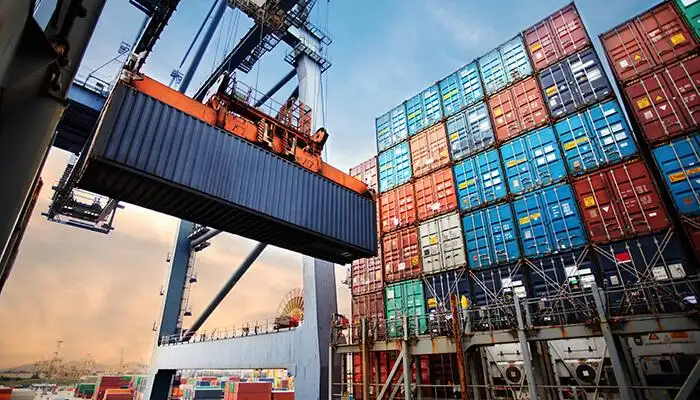
Nigeria’s maritime sector is facing growing pressure as persistent operational inefficiencies threaten to divert cargo to neighboring countries, according to a new policy advisory by the Sea Empowerment and Research Center.
The report, titled Maritime Reform at a Crossroads Data Signals Export Concerns and the Urgent Need for Execution Discipline, highlights troubling trends recorded in the first quarter of 2026. While revenue generated by the Nigeria Customs Service grew by an estimated 12 to 18 percent, key performance indicators across ports remain weak.
Cargo dwell time has exceeded 15 days on average, while vessel turnaround ranges between four and six days, far above global best practices. The report also notes a decline of about 8 to 12 percent in non oil exports, signaling a gradual loss of competitiveness in Nigeria’s export sector.
According to SEREC, inefficiencies in cargo processing, poor prioritization at terminals, and broader logistics challenges are undermining the country’s export ecosystem. Agro exports have been particularly affected, raising concerns about Nigeria’s economic diversification goals.
The advisory warns that Nigeria’s port system remains heavily skewed toward imports, with insufficient attention given to export facilitation. If left unaddressed, this imbalance could weaken the nation’s trade position over time.
Neighboring countries such as Benin Republic and Togo are emerging as strong competitors. Ports along the Cotonou and Lome corridor are attracting Nigeria bound cargo due to lower costs, faster clearance processes, and more predictable regulatory systems.
SEREC estimates that between 15 and 25 percent of Nigeria bound cargo could shift to these neighboring ports within the next 12 to 24 months if reforms are not urgently implemented. The report stresses that cargo naturally flows toward more efficient systems, regardless of geographic proximity.
The implications for Nigeria are significant, including potential revenue losses, reduced port activity, job cuts in the logistics sector, and a gradual decline in the country’s status as a regional maritime hub.
SEREC is calling for urgent reforms focused on improving efficiency, streamlining processes, and strengthening export support systems to restore competitiveness and safeguard Nigeria’s maritime future.











Leave a comment