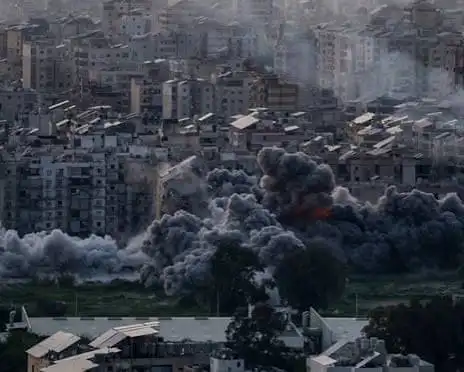
The widening conflict involving Iran, Israel and the United States has entered its second week, increasing fears of a prolonged regional crisis that could reshape global security and energy markets. Statements from the White House have further raised the stakes after the United States president called for what he described as Iran’s unconditional surrender. Analysts say the rhetoric reflects growing pressure as military operations across the region continue to escalate.
Across the Middle East, new rounds of military strikes between Israel and Iran have been reported while air defense systems in several countries remain on heightened alert. Explosions were reported near Tehran’s Mehrabad International Airport during overnight operations, though the full extent of damage remains unclear. Regional security officials also confirmed that an Iranian drone operation struck a foreign oil service compound in Basra, Iraq, highlighting the increasing geographic spread of the crisis.
The humanitarian impact is also becoming increasingly visible. Lebanese authorities estimate that more than 300000 civilians have been displaced as Israeli operations against Hezbollah continue across parts of the country. Families have fled towns and villages in southern Lebanon while emergency services struggle to assist large numbers of people seeking shelter in safer areas. International humanitarian organizations warn that continued violence could trigger a broader refugee situation across neighboring states.
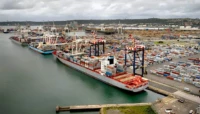
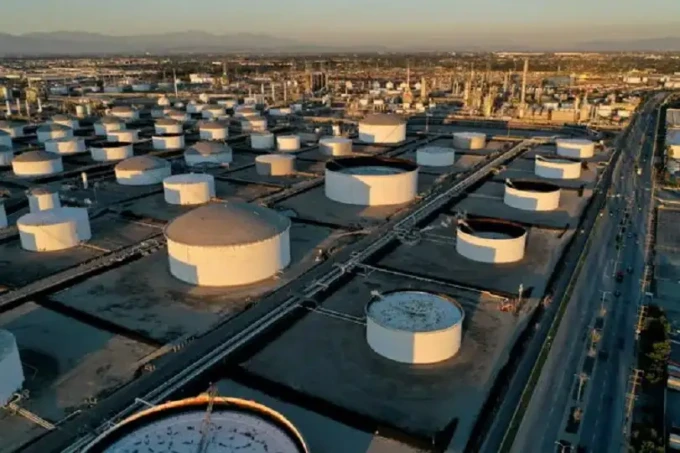
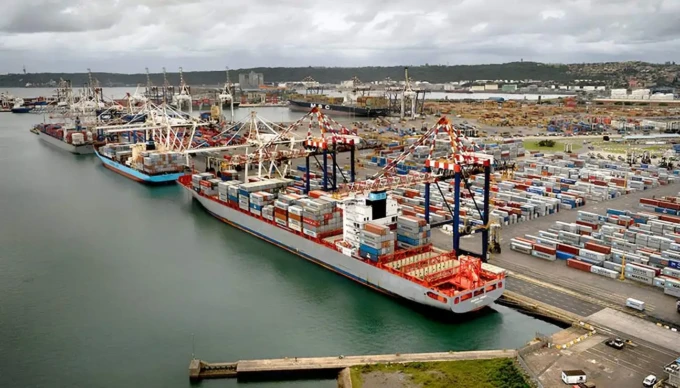
Energy infrastructure and global shipping routes have also come under pressure. The Strait of Hormuz, one of the world’s most important energy corridors, has seen rising tensions after Iran warned vessels about passing through the waterway during the conflict. Several tankers have reportedly suffered damage in the Gulf region, forcing shipping companies to reconsider routes and increasing insurance costs for vessels operating in the area.
Military analysts say the coming days will be critical in determining whether the conflict remains limited or expands further across the Middle East. Diplomatic efforts involving European and regional governments are ongoing, though progress has been slow. With energy markets reacting sharply and regional security risks growing, experts warn that the war could have lasting consequences for global ility if the current trajectory continues.









Leave a comment