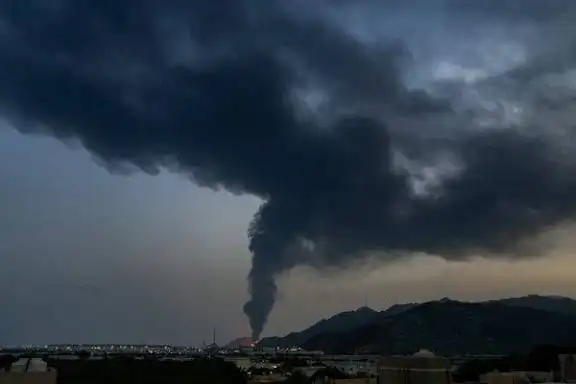
Missile and drone launches linked to Iran have expanded across the Gulf region as the confrontation with Israel and the United States enters a new phase of regional tension. Several Gulf Arab governments including Saudi Arabia, Bahrain, and the United Arab Emirates have raised military alert levels while strengthening air defense coverage around strategic infrastructure and urban centers. The widening scope of the conflict has prompted renewed diplomatic engagement among regional leaders who are seeking to prevent further escalation while protecting critical economic assets.
Military analysts say the pattern of Iranian operations reflects a strategy designed to apply pressure across multiple fronts without triggering a full scale regional war. By directing operations toward Gulf states that host major energy facilities and Western military partnerships, Tehran is signaling its ability to influence the ility of global energy supply routes. Officials in several Gulf capitals have responded by coordinating surveillance operations and enhancing missile interception capabilities as a precaution against further strikes.
The conflict between Iran, Israel, and the United States has intensified over the past week with continued strikes targeting military installations and energy infrastructure within Iranian territory. Iranian leaders have emphasized a strategy of endurance in public statements, suggesting that the country intends to sustain its position in the conflict despite mounting economic and military pressure. Government authorities have also introduced wartime economic measures designed to maintain industrial production and support the country’s military capabilities during the prolonged confrontation.
Across the wider Middle East, the growing military activity has increased concern among neighboring governments about the potential for miscalculation or accidental escalation. Regional security experts warn that missile launches directed toward Gulf airspace raise the risk of broader confrontation if defensive systems respond or if infrastructure damage affects international trade routes. At the same time, humanitarian organizations are monitoring the rising number of civilians affected by the conflict in Iran, Lebanon, and Israel as displacement and infrastructure disruption continue to expand.
International observers say the situation highlights the fragile balance of security across the Middle East and the importance of diplomatic channels in preventing a broader crisis. Global leaders have urged restraint from all parties while emphasizing the need to protect civilian populations and vital economic infrastructure. As military activity continues across multiple locations, the coming days are expected to determine whether the conflict remains contained or evolves into a wider regional confrontation with significant global consequences.








Leave a comment