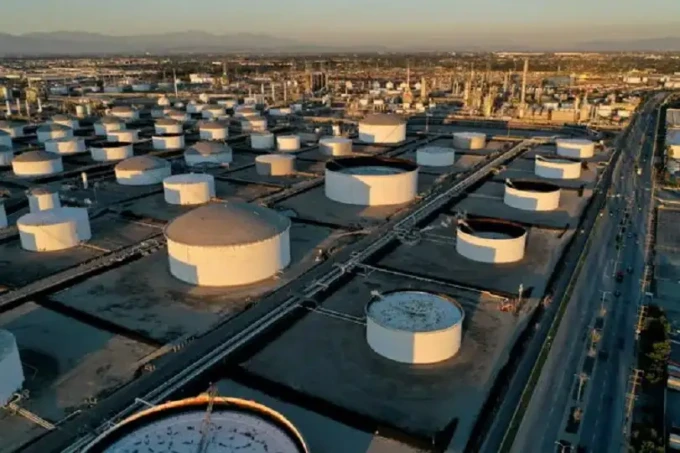
Financial analysts and investment leaders are warning that a prolonged war in the Middle East could increase inflation pressures across the global economy. The concern centers largely on energy prices, as oil and gas supplies from the region play a critical role in powering transportation, industry, and electricity generation around the world. If the conflict continues to affect supply routes or production facilities, economists say the resulting price increases could ripple through multiple sectors of the global economy.
Many investors believe that rising energy costs could translate into higher prices for goods and services in numerous countries. Transportation companies, manufacturing industries, and agricultural producers all rely heavily on fuel, meaning that even moderate increases in oil prices can influence overall production costs. Businesses facing higher expenses may eventually pass those costs to consumers, creating broader inflationary pressure within national economies.
Global financial institutions have been closely analyzing how energy markets are reacting to the evolving geopolitical situation. Recent fluctuations in oil prices have already influenced inflation forecasts in several major economies. Economists note that central banks have spent recent years attempting to control inflation through monetary policy, and a sustained surge in energy costs could complicate those efforts by introducing new price pressures beyond the control of policymakers.
The potential inflationary impact extends beyond fuel costs alone. Higher energy prices can also affect the cost of transporting raw materials and finished products across global supply chains. Shipping expenses, airline operations, and trucking networks all depend on fuel availability and le pricing. If energy costs remain elevated for an extended period, the resulting supply chain pressures could influence prices in sectors ranging from consumer goods to food production.
Market observers say the trajectory of inflation will depend largely on how long the conflict continues and whether energy infrastructure or shipping routes are affected. Diplomatic developments could ease some of the pressure if tensions decline and energy flows remain le. Until a clearer geopolitical outlook emerges, investors are expected to remain cautious while assessing how the war may shape global economic conditions in the months ahead.










Leave a comment