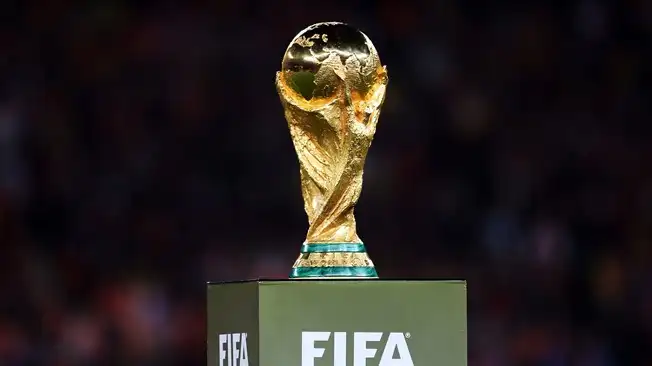
Football has long served as more than just a game. In periods of war and conflict, it has become a powerful symbol of unity, resilience, and national identity. Across history, several nations have stepped onto the global stage of the FIFA World Cup while either recovering from or enduring conflict, turning participation into a statement of survival.
Croatia made a remarkable debut at the 1998 tournament shortly after the Croatian War of Independence. Against expectations, they finished third, uniting a recovering nation through football pride.
Similarly, Germany rose from the devastation of World War II to win the 1954 World Cup. That victory, often called the Miracle of Bern, symbolized hope and national renewal.
In Argentina, the 1982 World Cup coincided with the Falklands War. Although overshadowed by war, the team’s participation reflected resilience, later rewarded with World Cup triumph in 1986.
Iraq qualified for the 1986 tournament during the Iran Iraq War, offering citizens a rare moment of unity. In Europe, Serbia competed in 1998 following the Yugoslav Wars, showing the enduring power of sport.
Years after the Bosnian War, Bosnia and Herzegovina reached its first World Cup in 2014, marking a milestone in national rebuilding. Meanwhile, Russia hosted the 2018 tournament amid tensions linked to the Russo Ukrainian War.
These stories highlight how football continues to inspire and unite, even in the most challenging times.








Leave a comment