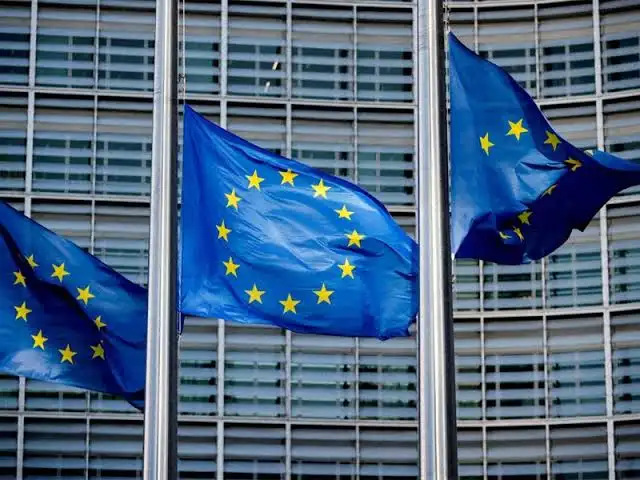
European governments are intensifying discussions over how to respond diplomatically to the rapidly escalating crisis in the Middle East involving Iran and Israel. Officials across the continent have begun consultations aimed at identifying strategies that could help reduce tensions and prevent the confrontation from expanding into a wider regional emergency. The developments have prompted urgent meetings among foreign ministers and senior security advisers within the European Union as leaders evaluate possible diplomatic initiatives.
Several European capitals have called for restraint from all parties involved while urging a renewed commitment to dialogue. Diplomats say the primary objective is to avoid further escalation that could deilize the broader Middle East and disrupt international energy supplies. Governments across Europe are also monitoring the humanitarian consequences of the confrontation, particularly as civilian displacement and infrastructure damage increase in affected areas.
European policymakers are carefully considering a range of diplomatic responses. These include coordinated statements urging de escalation, engagement with international mediators, and potential economic or political measures intended to encourage negotiations. Officials within the European Union have emphasized that maintaining open communication channels with both Iran and Israel remains a critical component of any diplomatic strategy designed to reduce tensions.
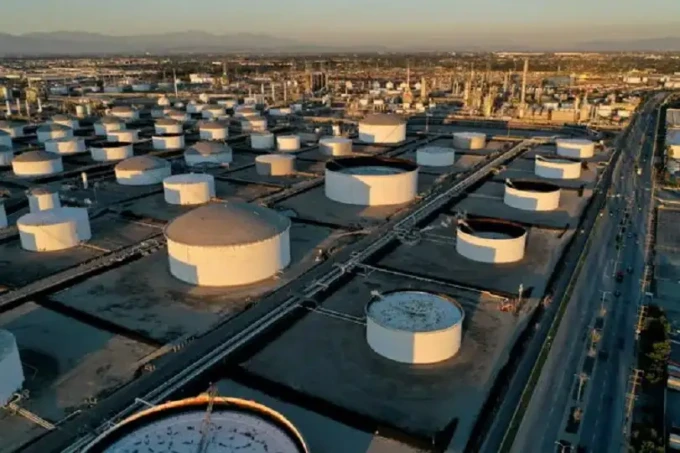
Economic concerns are also shaping Europe’s response to the crisis. The region remains heavily dependent on global energy markets, and inility surrounding the Strait of Hormuz has raised fears of potential supply disruptions. Energy analysts warn that any prolonged disruption to oil shipments through the strategic waterway could contribute to rising fuel costs across Europe and place additional pressure on industries already facing economic uncertainty.
Security experts say the European debate highlights the broader challenge of responding to complex geopolitical crises while balancing humanitarian, economic, and diplomatic priorities. Many European leaders believe that coordinated international engagement through organizations such as the United Nations will be essential in preventing the confrontation from expanding further. As consultations continue, European officials are working to shape a unified approach that could support diplomatic efforts aimed at restoring ility in one of the world’s most strategically significant regions.








Leave a comment