
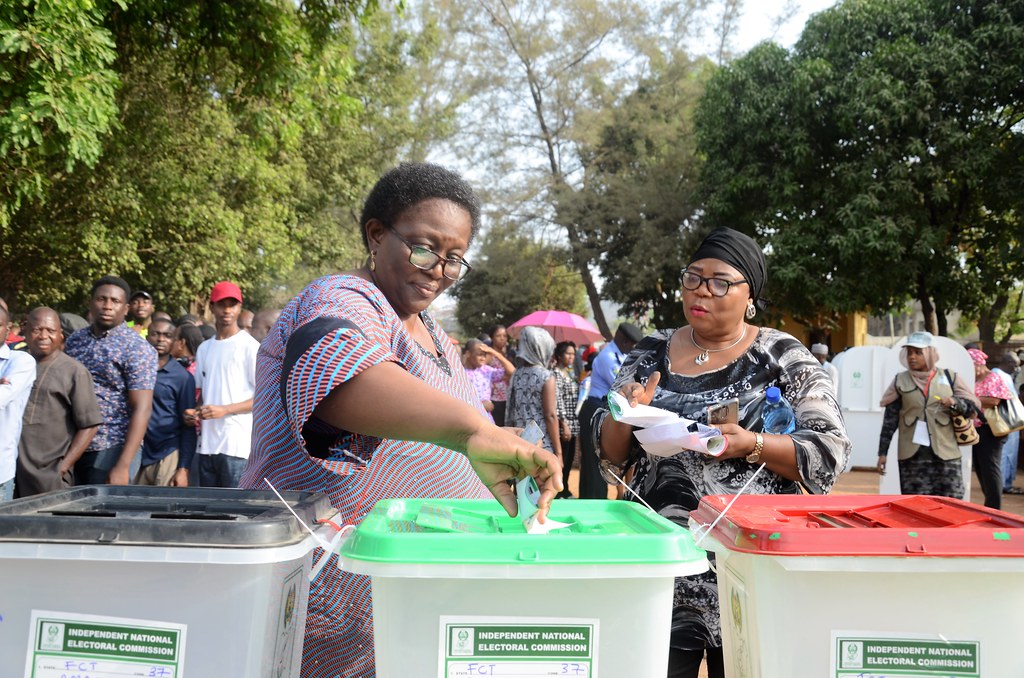
In the aftermath of Nigeria’s 2023 presidential elections, the political landscape has been marked by significant shifts in party dynamics and voter engagement trends. The elections, held on February 25, 2023, witnessed a fragmented electorate, with President-elect Bola Tinubu securing only 36.6% of the total votes cast, the lowest winning percentage in Nigeria’s Fourth Republic. (chathamhouse.org)
A notable development was the emergence of the Labour Party, led by Peter Obi, which made substantial inroads in regions traditionally dominated by other parties. The party’s success in Lagos State, a stronghold of the ruling All Progressives Congress (APC), was particularly striking. This victory underscored the growing influence of alternative political platforms and the electorate’s desire for ce. (techpoint.africa)
The 2023 elections also highlighted the pivotal role of social media in political campaigns. Platforms like Twitter and Instagram became central to voter mobilization and engagement. The “Obint” movement, supporting Peter Obi, effectively utilized these platforms to disseminate campaign messages, counter misinformation, and foster grassroots support. This digital engagement was instrumental in reaching younger voters, who constitute a significant portion of Nigeria’s population. (votpnews.ng)
However, the elections were marred by challenges that impacted voter turnout. Despite the addition of over 9 million new voters to the register before 2023, only 27% of registered voters cast their ballots, marking a record low. Factors such as electoral violence, intimidation, and logistical issues like the late arrival of voting materials contributed to this decline. (chathamhouse.org)
In response to these challenges, political parties and stakeholders have intensified efforts to address voter apathy. Initiatives aimed at voter education, enhancing electoral transparency, and fostering trust in the electoral process are being prioritized. The goal is to rebuild confidence among the electorate and encourage active participation in future elections. (guardian.ng)
Nigeria’s 2023 elections have been a catalyst for ce, revealing evolving party dynamics and the transformative impact of digital engagement. While challenges persist, the ongoing efforts to address voter apathy and enhance electoral integrity signal a commitment to strengthening Nigeria’s democratic processes.






I think its fascinating how voter engagement trends vary among Nigerian political parties. What factors do you think influence this?
I find it fascinating how voter engagement trends vary among Nigerian political parties. Makes you wonder what drives peoples choices!
I believe the voter engagement trends are skewed. Its time for Nigerian political parties to step up their game!
I think the article missed the mark on analyzing the impact of social media influencers on voter engagement. Its a crucial aspect to consider!
I think the article missed the mark on addressing the influence of social media on voter engagement in Nigerian politics.
Interesting read! Do you think political parties in Nigeria truly engage with voters or just go through the motions?
I think the article missed the mark on discussing the impact of social media on voter engagement. Thats a huge factor to consider!
I find it interesting how voter engagement trends differ among Nigerian political parties. What do you think drives these variations?
I find it fascinating how different political parties in Nigeria engage with voters. What do you think influences voter engagement the most?