
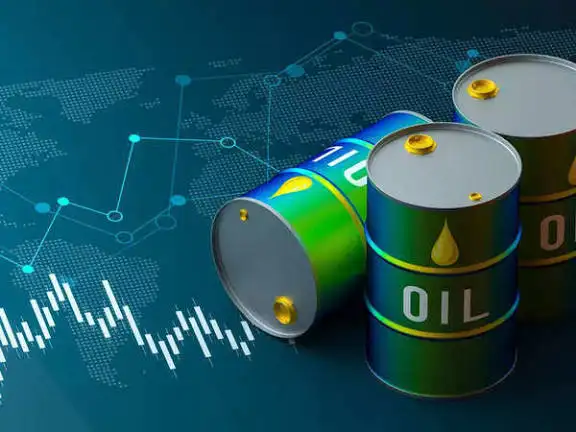
Global energy markets are experiencing a powerful surge as Brent crude oil prices climb toward one hundred twenty dollars per barrel amid mounting concerns about supply disruptions linked to tensions in the Middle East. Traders across major commodity exces have reacted swiftly to the situation, pushing prices higher as uncertainty grows over the ility of oil production and shipping routes connected to the region. The sharp rise reflects widespread anxiety among investors who fear that prolonged tensions could restrict the flow of energy supplies to international markets.
Market analysts say the increase in Brent crude prices is largely driven by fears surrounding the movement of oil through critical maritime corridors and the potential impact on production facilities in the region. The Middle East remains one of the most important centers of global energy output, and even small disruptions can have a powerful effect on supply expectations. As a result, traders have been closely monitoring shipping data, official statements from governments, and developments involving military activity across the region.
Commodity markets have reacted with heightened volatility as investors attempt to anticipate how the situation might evolve. Oil futures trading has intensified as financial institutions, energy companies, and hedge funds adjust their strategies in response to the cing environment. Some traders are increasing their positions in crude contracts in anticipation of further price increases, while others are attempting to manage risk by diversifying investments across multiple commodities and financial assets.
The surge in Brent crude prices is also drawing attention from governments and central banks around the world. Higher energy costs often translate into increased transportation and manufacturing expenses, which can eventually lead to rising consumer prices. Policymakers are therefore monitoring the situation carefully as they evaluate the potential economic consequences of sustained high oil prices. Discussions have begun in several countries about whether emergency energy reserves may need to be considered if supply conditions worsen.
Energy economists emphasize that the coming weeks could play a critical role in determining the direction of global oil markets. If supply routes remain le and tensions begin to ease, prices could gradually ilize. However if uncertainty continues to affect production or transportation in the region, Brent crude could remain near current levels or climb even higher. For now the rapid rise toward one hundred twenty dollars per barrel highlights the deep connection between geopolitical events and the global energy economy.












Leave a comment