
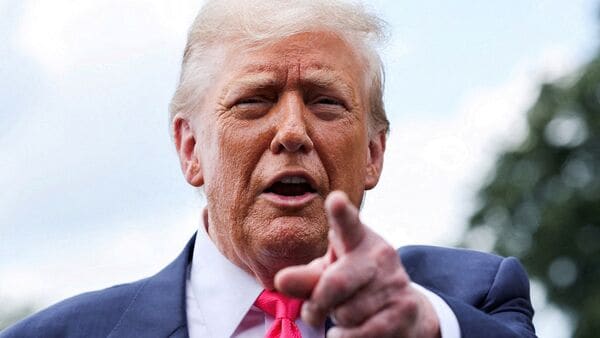
United States implemented a series of unprecedented import tariffs, marking a significant escalation in global trade tensions. These tariffs, ranging from 10% to 50%, affect imports from over 60 countries, including major trading partners such as Brazil, India, and Switzerland. The new measures have raised average U.S. import duties to their highest level in a century, with the Treasury Department projecting potential annual revenues exceeding $300 billion.
The tariffs are part of President Donald Trump’s broader trade strategy aimed at reducing the U.S. trade deficit and bolstering domestic industries. While some nations, including the European Union, Japan, and South Korea, secured reduced rates through concessions, others like India and Brazil were subjected to the maximum 50% tariffs. Switzerland, despite last-minute negotiations, failed to avoid a 39% duty.
The immediate impact of these tariffs has been felt across various sectors. Consumers are expected to face higher prices on a range of imported goods, including coffee, chocolate, and automobiles. A Yale Budget Lab estimate suggests an average annual cost of $2,400 per household due to the increased tariffs. Additionally, U.S. companies, such as Toyota, have projected substantial financial losses due to the new import costs.
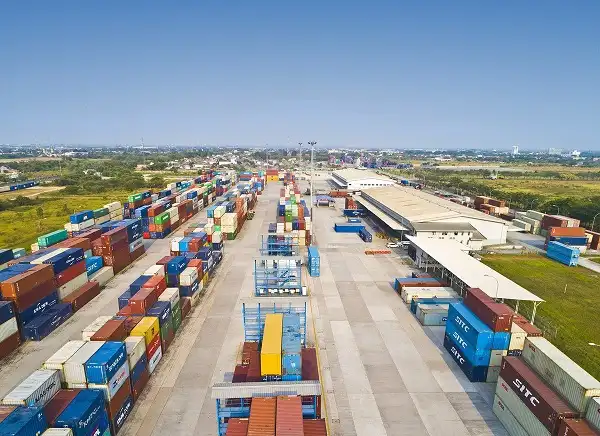
Internationally, the tariffs have prompted retaliatory measures and concerns about global supply chain disruptions. Countries like Canada and Mexico have announced retaliatory tariffs on U.S. goods, while manufacturers worldwide report slowdowns and losses. The European Union has also expressed concerns over the potential impact on global trade and has initiated discussions to address the issue.
In response to the escalating trade tensions, President Trump has threatened future tariffs on China, particularly targeting its oil dealings with Russia. The administration has also indicated the possibility of imposing additional sector-specific tariffs, further complicating the global trade landscape.
As the situation develops, stakeholders worldwide are closely monitoring the effects of these tariffs on international trade relations, economic ility, and consumer behavior.












Is this really a step towards economic protectionism or just a way to level the playing field? What do you think?
Im not so sure about these tariffs. Are they really gonna help the economy or just cause more problems? What do you guys think?
This tariff move could spark a global trade war! What do you think – will this be beneficial or disastrous for the economy?
Do you think these tariffs will really benefit the U.S. economy in the long run or just cause more global tension? 🤔
Do you think these tariffs will actually benefit the U.S. economy in the long run or just stir up more global tension? 🤔🌍 #TradeWars
Isnt this just another way for the U.S. to flex its economic muscle? Will it really benefit the American people in the long run?