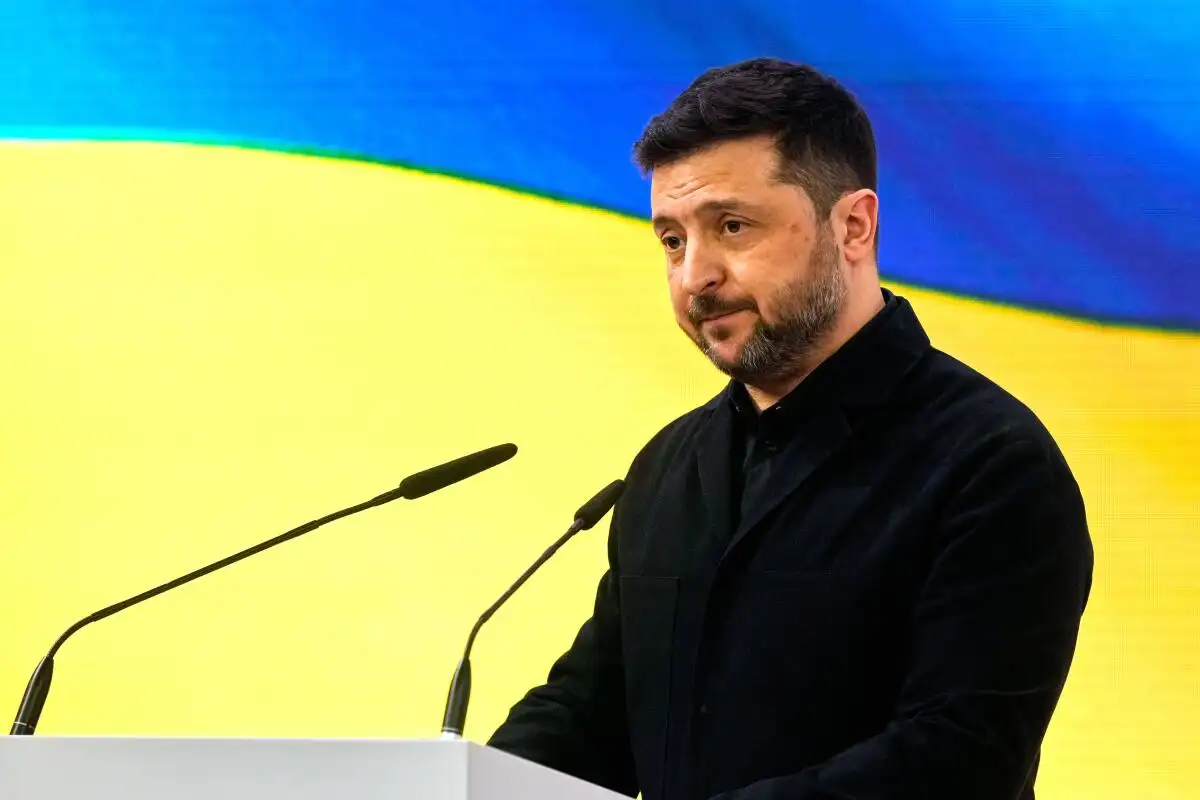
As Ukraine approaches the fourth anniversary of Russia’s full scale invasion, President Volodymyr Zelensky remains in office despite assassination plots political turmoil and an unrelenting war that has reshaped his country and his leadership.
When Russian forces crossed into Ukraine in February 2022, Moscow reportedly expected Kyiv to fall within days. According to sources close to the presidency, Russian agents were tasked with eliminating Zelensky as part of a broader plan to decapitate Ukraine’s leadership. Instead, Zelensky appeared in a now famous nighttime video outside the presidential compound declaring, “We are here,” signaling defiance as explosions rocked the capital.
Since then, Zelensky has survived multiple reported assassination attempts, internal political rivalries and corruption scandals that shook his inner circle. His decision to dismiss former military chief Valerii Zaluzhnyi in 2024 fueled speculation about political tensions within wartime leadership. At the same time, anti corruption protests in Kyiv forced policy reversals and tested his reform credentials.
Zelensky’s wartime communication strategy has been central to his resilience. Through direct video addresses and speeches to foreign parliaments, he rallied Western support and secured crucial military assistance. His appeals helped shift European policy, with nations once hesitant to arm Ukraine becoming key backers.
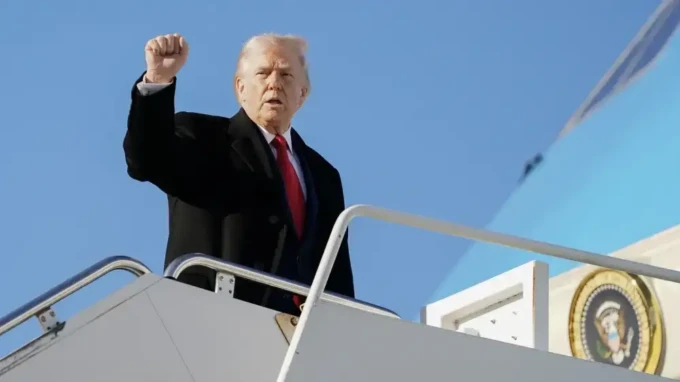
However relations with US President Donald Trump have proved more complex. Public disagreements and diplomatic friction exposed limits to Zelensky’s influence in Washington, even as American support remains vital to Ukraine’s defense.
Domestically, Zelensky still commands majority trust, though fatigue is evident. Polls show many Ukrainians believe he should guide the country to peace, yet fewer are certain about a second term. The prolonged conflict, economic strain and energy shortages continue to weigh heavily on the population.
Four years into the war, Zelensky stands battered but politically alive. Whether his endurance can outlast battlefield stalemate and diplomatic uncertainty remains one of the defining questions of Europe’s most consequential conflict in decades.







Leave a comment