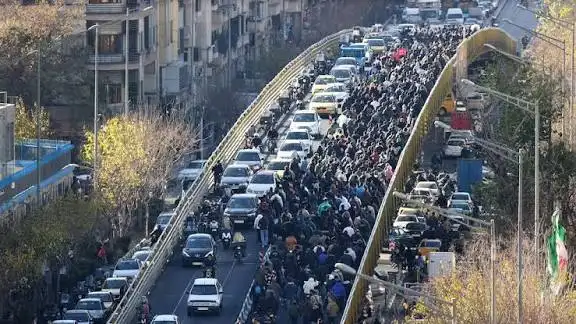
Large scale demonstrations have erupted in multiple Iranian cities, presenting one of the most significant domestic challenges to the country’s leadership in recent years. Protesters have gathered to express frustration over economic pressures, unemployment, inflation, and restrictions on political participation.
Security forces have been deployed extensively in urban centers to manage crowds and prevent damage to public property. Authorities have imposed limits on public gatherings and increased surveillance measures in areas experiencing sustained demonstrations. Officials maintain that actions taken are intended to preserve ility and prevent violence.
Participants in the protests have called for economic reforms and greater political openness. Civil society advocates argue that the unrest reflects deep rooted grievances that require policy responses rather than solely security measures. Communication disruptions have been reported in several regions, complicating efforts to verify developments on the ground.
International reactions have included appeals for restraint and dialogue. Human rights organizations have emphasized the importance of safeguarding peaceful assembly and protecting civilians.
The scale and geographic spread of the protests underscore the complexity of the situation. Analysts note that how authorities address the demands and manage security responses will significantly influence Iran’s political trajectory and its relations with the broader international community.




Leave a comment