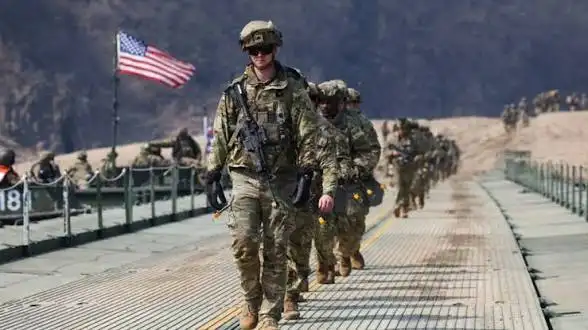
Officials in the United States are evaluating the possibility of a partial military drawdown even as tensions continue to rise across key regions. The deliberations reflect a complex balancing act between maintaining strategic commitments and reassessing long term deployments. Defense authorities emphasized that no final decision has been made and that discussions remain ongoing at multiple levels.
Senior defense officials have indicated that the review is part of a broader strategy to optimize resource allocation and adapt to evolving global priorities. Military planners are assessing operational requirements, troop readiness, and potential risks associated with any reduction in presence. The process includes consultations with allied nations to ensure that collective security arrangements remain effective.
Some policymakers have argued that a recalibration of forces could allow for greater flexibility in addressing emerging challenges elsewhere. They suggest that advancements in technology and intelligence capabilities may enable a more efficient deployment model. However, others have expressed concern that a reduced presence could create strategic gaps or signal diminished commitment to regional partners.
Allied governments are closely monitoring the discussions, seeking clarity on how any ces might affect joint operations and defense cooperation. Diplomatic channels have been active as partners engage with Washington to understand the potential implications. Analysts note that reassurance measures may be necessary to maintain confidence among allies during this period of uncertainty.
Security experts have highlighted the potential risks associated with adjusting military posture amid heightened tensions. They caution that timing and communication will be critical in avoiding misinterpretation by other actors. A carefully managed approach, they argue, could help balance the need for strategic efficiency with the imperative of maintaining deterrence and ility.
Economic considerations are also influencing the debate, as defense spending and resource allocation remain key factors in national policy discussions. Some officials point to the financial benefits of reducing overseas commitments, while others stress the importance of sustained investment in global security frameworks. The outcome of these deliberations could have lasting implications for defense priorities.
Observers believe that the decision will ultimately depend on a combination of strategic assessments and diplomatic developments. While uncertainty remains, the discussions underscore the dynamic nature of modern military planning. The evolving situation continues to attract attention from global stakeholders, reflecting its significance for international security and geopolitical alignment.










Leave a comment