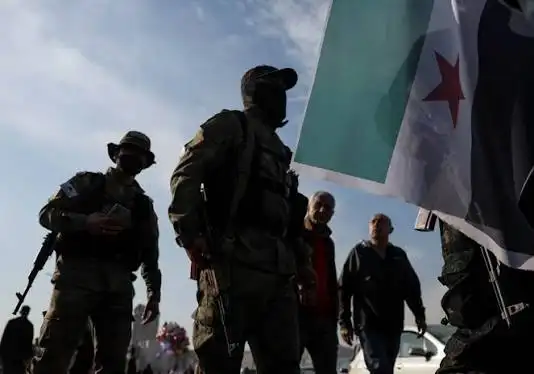
Senior officials at the United Nations warned that conduct across the widening regional conflict may amount to serious violations of international humanitarian law, citing mounting civilian harm and damage to protected sites. Briefings to member states emphasized urgent monitoring, evidence preservation, and immediate measures to safeguard noncombatants as hostilities intensify across multiple theaters increasingly complex operational environments worldwide.
Representatives from the Security Council requested detailed incident reports, satellite imagery, and survivor testimony to assess proportionality and distinction standards. Legal advisers outlined pathways for independent inquiries and potential accountability mechanisms. Diplomats urged all parties to facilitate access for investigators and humanitarian personnel, stressing transparency as a cornerstone for credible determinations under international legal review processes now ongoing.
Statements from Israel and Lebanon defended operational decisions as necessary for security objectives, while acknowledging civilian risk mitigation efforts. Human rights organizations countered that patterns of strikes and displacement raise questions requiring impartial scrutiny. Access constraints and communications outages complicate verification, leaving many allegations pending systematic corroboration by independent monitors and forensic specialists across affected areas today regionwide.
Legal experts referenced the jurisdictional role of the International Criminal Court where applicable, alongside domestic courts and ad hoc panels. They highlighted evidentiary thresholds, chain of custody requirements, and witness protection standards. Analysts noted political sensitivities may influence referrals, yet emphasized that rigorous documentation strengthens future proceedings and deterrence against grave breaches and violations under international law frameworks.
Field agencies within the United Nations expanded protection monitoring and coordinated humanitarian corridors to reduce civilian exposure. Medical charities reported strained capacity and shortages of essential supplies. Education partners prepared temporary learning spaces for displaced children. Coordinators appealed for sustained funding and safe passage guarantees to maintain lifesaving operations through coordinated logistics and regional cooperation among member states.
Regional actors including Iran faced calls to clarify rules of engagement and communication channels to prevent further escalation. Defense analysts recommended deconfliction mechanisms, advance warnings, and civilian notification systems. Insurance and shipping sectors tracked risk indicators, reflecting broader economic implications tied to security developments and maritime transit concerns across vital sea lanes and ports in affected regions today.
Civil society networks urged restraint, dialogue, and adherence to humanitarian norms as investigations proceed. Data specialists compiled incident databases and geospatial records to support accountability pathways. Observers said credible processes require independence, victim participation, and transparent reporting, aiming to uphold legal standards while reducing harm to civilians through sustained oversight and international cooperation and community centered remes initiatives.







Leave a comment