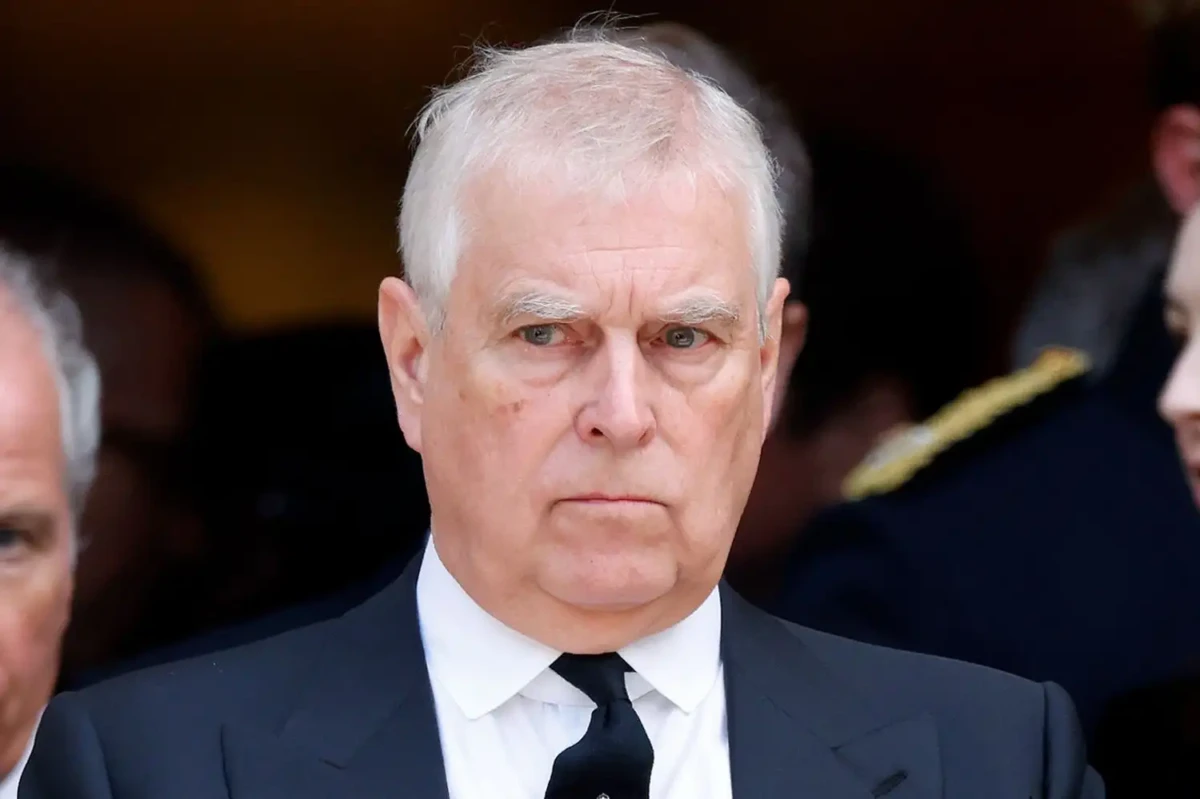
The UK government is reportedly considering removing Andrew Mountbatten-Windsor from the royal line of succession after his recent arrest on suion of misconduct in public office. The former duke, who is eighth in line to the throne, was detained on his 66th birthday in connection with revelations from the Epstein files. Andrew has denied any wrongdoing related to his association with the late convicted offender Jeffrey Epstein.
After spending approximately 10 hours in custody, Mountbatten-Windsor was released under investigation, allowing authorities to continue questioning him and gathering evidence. Police have also searched his former residence at Royal Lodge in Berkshire to collect electronic devices and other potential evidence.
British lawmakers could propose legislation to formally remove Andrew from the succession once the investigation concludes. Such a process would require parliamentary approval, royal assent, and consent from all 14 other Commonwealth realms, including Australia and Canada, in accordance with the Statute of Westminster 1931.
Defense Minister Luke Pollard emphasized that the move is intended to ensure accountability, stating it is “the right thing to do to stop someone potentially being a heartbeat away from the throne.” Lawmakers and royal observers note that removing Andrew would also prevent him from serving as a Counsellor of State, a position enabling certain royals to act on behalf of the monarch.
The situation echoes historical precedents, such as the removal of the Duke of Windsor from the succession following his abdication in 1936. Any legislative action would undergo rigorous scrutiny in both houses of Parliament before implementation.
The developments have reignited debate about accountability within the royal family and the limits of privilege, highlighting the delicate balance between tradition, law, and public expectation.













Leave a comment