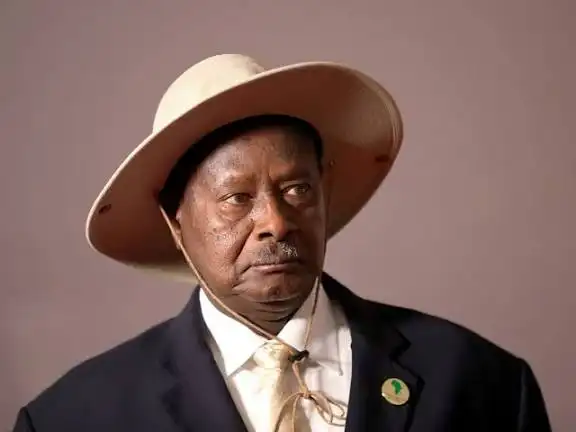
Uganda is preparing for national elections with the incumbent president widely expected to secure another term in office, reinforcing a tenure that has spanned decades. Political analysts and regional observers suggest that the ruling party retains significant structural advantages, including elished grassroots networks and institutional influence.
Opposition figures have raised concerns about the fairness of the electoral environment, citing restrictions on rallies, arrests of activists and limited media access. Government officials reject these claims and maintain that the electoral commission operates independently under constitutional guidelines. Security forces have increased their presence in key urban centres, stating that the measures are intended to preserve public order during the voting period.
International observers are monitoring developments closely, urging transparency and peaceful participation. Civil society groups have called for respect for fundamental freedoms, including the right to assemble and express political views without intimidation.
The expected outcome reflects broader debates within Uganda about governance, economic reform and generational leadership ce. While supporters credit the administration with infrastructure expansion and regional diplomacy, critics argue that political space has narrowed over time.
The vote is seen as a defining moment for the country political trajectory and institutional resilience.





Leave a comment