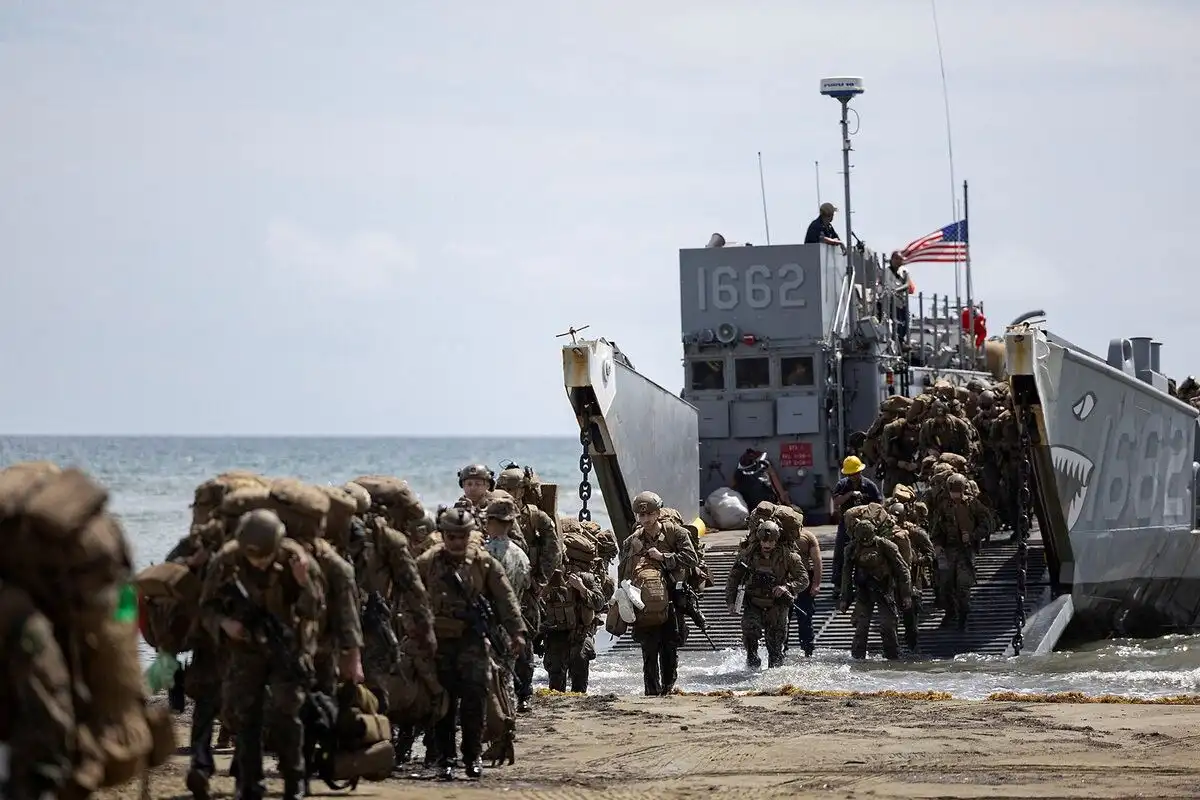
The United States has heightened its military presence near Venezuela, prompting concerns regarding transparency and potential mission creep. On December 16, 2025, President Donald Trump initiated a blockade of “sanctioned oil tankers” entering Venezuela, seeking to enhance economic pressure on President Nicolás Maduro’s regime.
This move followed a U.S. seizure of a Venezuelan oil tanker and an increase in military assets in the region. Trump accused Venezuela of financing drug trafficking through its oil exports, labeling it a foreign terrorist organization, though the legal basis for this designation is unclear.
The U.S. strategy aims to deilize Maduro’s government, which has turned to covert oil exports to countries like China amid existing sanctions. In light of this, Trump’s chief of staff acknowledged that the military efforts seek to force Maduro to surrender.
The blockade, alongside military operations that have reportedly resulted in at least 95 deaths from 25 strikes, has sparked bipartisan concerns regarding the legality of the U.S. military escalation.
Defense Secretary Pete Hegseth stated that unedited footage of a significant strike would only be shown to Congressional committees as scrutiny rises. The U.S. has also conducted operations against suspected drug-smuggling boats, claiming these targets were linked to “designated terrorist organizations,” although evidence supporting drug trafficking remains scant.
In a related development, Trinidad and Tobago announced it would allow U.S. military access for logistical support, following the installation of a U.S. radar system. Venezuela condemned this decision, accusing Trinidad’s government of facilitating U.S. aggression. As tensions escalate, the situation continues to evolve, raising significant concerns about U.S. actions and their implications in the region.




Is the U.S. military really needed near Venezuela? Lets discuss the implications and potential consequences. Open to hearing different perspectives!
Do we really need to be this close to Venezuela? Whats the end game here? Transparency is key. #MilitaryBuildupDebate
Is the U.S. military presence near Venezuela necessary or just escalating tensions? Lets discuss the implications and potential consequences.
This military buildup near Venezuela seems fishy. What are they really up to? Hope it doesnt escalate into soing dangerous.
Why is the U.S. military creeping near Venezuela? Seems fishy. Lets hope transparency prevails for the sake of peace.
I think the U.S. military should focus on diplomatic solutions rather than escalating tensions near Venezuela. Lets prioritize peace.
This military buildup near Venezuela is concerning! What are they planning? Lets hope it doesnt escalate! #peaceprevails
This military buildup near Venezuela seems fishy. Whats the real mission here? Openness needed for transparency.
Is this buildup necessary or just adding fuel to the fire? Whats the endgame here? 🤔