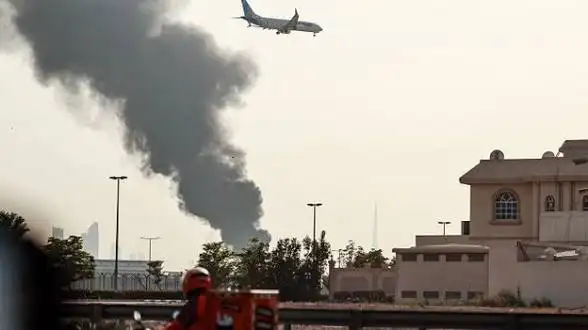
United States forces conducted airstrikes on selected missile sites in Iran, citing the need to safeguard commercial shipping routes and regional navigation. Officials said the operation targeted infrastructure assessed as posing risks to maritime transit and energy flows. The action prompted heightened alerts, diplomatic outreach, and renewed scrutiny of escalation dynamics across interconnected security theaters worldwide and beyond.
According to the United States government, the mission followed intelligence reviews and legal consultations. Defense leaders emphasized proportionality, precision, and civilian protection while underscoring commitments to international law. Briefings highlighted coordination with partners and continuity of essential services, noting that operational objectives focused on risk reduction rather than territorial aims in the present regional context and policy environment.
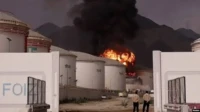
Officials in Iran acknowledged the incidents and reported activation of air defense assessments and site inspections. Statements described damage evaluations, safety protocols, and interagency coordination across military and civil institutions. Authorities urged public calm and media restraint, indicating that further information would follow technical analysis and internal reviews after comprehensive verification procedures are completed by relevant authorities nationally.
Maritime security planners focused on vital corridors including the Strait of Hormuz, a strategic passage for global energy shipments. Naval patrols increased presence while shipping advisories guided rerouting and scheduling adjustments. Port operators reviewed contingency plans to maintain throughput, emphasizing redundancy, communications reliability, and coordination with insurers and logistics providers across regional supply networks and terminals worldwide today.
Market participants tracked developments closely as energy prices reflected uncertainty around supply routes and insurance costs. Analysts published scenario outlooks examining production capacity, transport resilience, and policy signaling from major producers and consumers. Financial institutions advised clients on exposure management, liquidity planning, and diversified sourcing strategies during elevated geopolitical risk conditions affecting portfolios across regions and sectors.
Diplomatic channels remained active as envoys exced assessments and explored deescalation pathways. Several governments encouraged transparent communication and confidence building measures to prevent miscalculation. Multilateral forums facilitated technical dialogue on navigation freedoms, infrastructure protection, and crisis management frameworks intended to preserve predictable engagement among civilian and defense authorities through coordinated policies and information sharing at regional levels globally.
Policy leaders said next steps would be guided by legal authorities, oversight mechanisms, and evolving intelligence. Legislators requested briefings on objectives, safeguards, and alliance coordination. Officials reiterated commitments to maritime security and civilian protection while balancing deterrence goals with diplomatic engagement to manage risks and sustain international cooperation amid complex regional dynamics and stakeholder expectations for long term.







Leave a comment