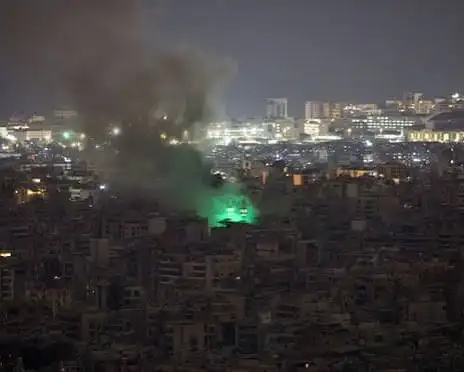
United States forces conducted precision air operations against missile related infrastructure positioned near the Strait of Hormuz, according to defense officials who described the action as limited and focused. The Pentagon said the objective centered on degrading launch capabilities that threaten maritime transit and regional partners while emphasizing efforts to minimize civilian harm and collateral damage.
Command briefings indicated multiple facilities were struck after surveillance confirmed their operational status and proximity to strategic shipping corridors. Military planners highlighted timing and routing choices designed to reduce risks to commercial vessels. Analysts noted the waterway handles a significant share of global energy flows, making security developments there closely watched by governments and markets.
Authorities in Iran condemned the operations as violations of sovereignty and warned of consequences if actions continue. State media reported heightened readiness across air defense networks and coastal units. Independent verification remained limited amid restricted access, leaving damage assessments reliant on satellite imagery, maritime advisories, and statements from officials on both sides.
The United States Department of Defense reiterated that measures align with collective security commitments and freedom of navigation principles. Spokespersons cited intelligence indicating imminent risks to regional assets and shipping. Lawmakers requested classified briefings on objectives, legal authorities, and escalation management as bipartisan discussions weighed deterrence goals against broader strategic ility concerns.
Shipping associations issued guidance to reroute select voyages and enhance onboard vigilance protocols. Insurers reviewed exposure levels while energy traders monitored tanker movements and port activity for disruption signals. Regional ports reported normal throughput with precautionary checks. Economists said sustained tensions could elevate transport costs and ripple through supply chains dependent on reliable maritime logistics.
Diplomatic channels remained active as envoys sought de escalation steps and confidence building measures. Mediation proposals emphasized incident prevention hotlines and advance notifications for military maneuvers. Regional forums discussed maritime safety frameworks and cooperative monitoring. Observers said sustained dialogue could reduce miscalculation risks in congested waters where civilian and military traffic operate in close proximity.
Security analysts assessed potential responses ranging from calibrated signaling to expanded defensive postures. Think tanks urged clear communication of red lines and proportionality standards. Humanitarian groups emphasized civilian protection near coastal communities. Market participants balanced risk scenarios against inventory buffers, awaiting further developments that may influence energy flows and regional security calculations.








Leave a comment