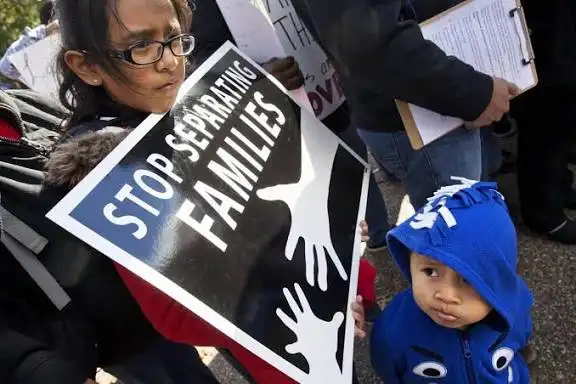
A two month old infant has been deported alongside family members from an immigration detention facility in the United States, prompting criticism from advocacy organizations that argue the case highlights broader concerns about immigration enforcement practices.
According to reports from migrant support groups and legal representatives, the infant was held with relatives at a facility operated under the authority of U.S. Immigration and Customs Enforcement before being removed from the country. Officials have not publicly disclosed detailed information about the family’s immigration history, citing privacy regulations.
Advocacy groups described the deportation as deeply troubling, emphasizing the vulnerability of infants and young children within detention environments. They argue that even short periods of confinement can have developmental and psychological implications. Legal aid organizations also questioned whether sufficient safeguards were applied during the review of the family’s case.
Immigration authorities maintain that enforcement actions follow elished legal procedures and judicial orders. In a brief statement, officials said removals are carried out in accordance with immigration law and that family unity is preserved during the process whenever possible. They did not comment directly on the specific allegations raised by advocacy groups.
The case has renewed debate over detention policies affecting families and minors. Human rights advocates have long called for alternatives to detention, particularly for parents with young children. They contend that community based supervision programs can ensure compliance with immigration proceedings without exposing families to the stresses associated with confinement.
Lawmakers from both major political parties have previously introduced proposals aimed at reforming aspects of the immigration system, though comprehensive legislation has remained elusive. Critics argue that current policies prioritize enforcement efficiency over humanitarian considerations.
Medical professionals who work with migrant communities have expressed concern about access to adequate healthcare and nutrition for infants in detention settings. While federal guidelines outline standards for medical care, advocates question whether consistent oversight is maintained across all facilities.
Supporters of stricter enforcement counter that immigration authorities must implement the law as written and that decisions regarding removal are ultimately determined through administrative and judicial review processes. They stress that exceptions or discretionary relief depend on specific case circumstances.
As public discussion intensifies, advocacy groups are calling for increased transparency and independent monitoring of family detention practices. The incident has become a focal point in the broader national conversation over how immigration policies affect children and vulnerable populations.













Leave a comment