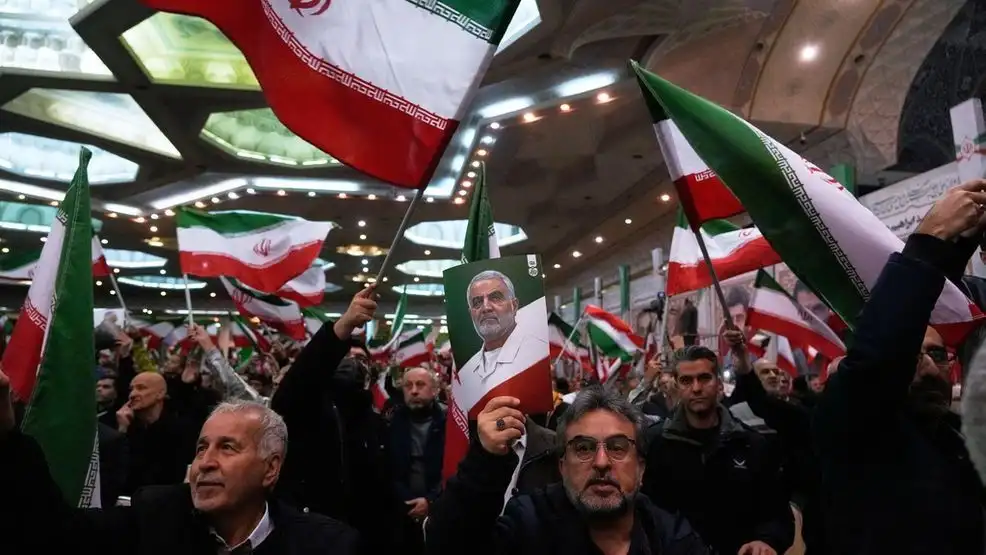
Widespread protests across Iran have entered a dangerous new phase after U.S. President Donald Trump warned that Washington could intervene if Iranian authorities continue using lethal force against demonstrators. The warning has triggered fierce reactions from Tehran, escalating tensions at a time when unrest is spreading across multiple provinces and casualties are mounting.
Protests erupted this week in several Iranian cities, driven largely by economic hardship after the national currency plunged to record lows. Demonstrators including shopkeepers, bazaar merchants, students, and ordinary citizens have taken to the streets chanting anti-government slogans and demanding political and economic reforms. What began as scattered demonstrations has increasingly turned violent, with clashes between protesters and security forces resulting in deaths, injuries, arrests, and widespread damage to public property.
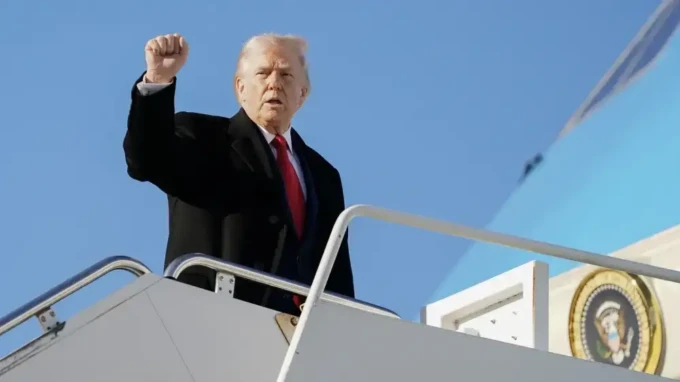
President Trump, reacting to reports of protesters being ed, issued a strongly worded statement on Truth Social, warning Iran that the United States was “locked and loaded” and prepared to act if peaceful protesters continued to be shot. His remarks marked one of the most explicit threats of U.S. intervention since the unrest began and immediately drew condemnation from Iran’s leadership.
Iran’s Supreme Leader, Ayatollah Ali Khamenei, responded defiantly, stating that Iran would not yield to external pressure and would rely on divine support and popular backing to confront its enemies. Senior Iranian officials echoed this stance, warning that any U.S. interference would have serious consequences for American interests in the Middle East.
Ali Larijani, Iran’s national security chief, warned that U.S. intervention would deilize the entire region. Ali Shamkhani, a close adviser to Khamenei, described Iran’s national security as a “red line,” cautioning that any attempt to cross it would provoke a harsh response. The strongest warning came from parliamentary speaker Mohammad Bagher Ghalibaf, who declared that U.S. military bases and forces across the region would become legitimate targets if Washington took action against Iran.
Foreign Minister Abbas Araghchi reinforced this message, saying Iran’s armed forces were on high alert and fully prepared to defend the country’s sovereignty. Iran’s foreign ministry also accused the United States of violating international law, promising a “decisive and comprehensive” response to any aggression.
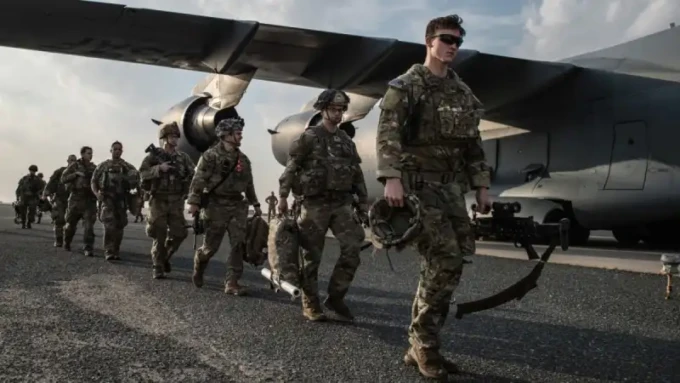
Despite the heated rhetoric, U.S. officials says that no concrete military steps have been taken. According to the White House, Trump’s statement was intended as a strong warning rather than an indication of imminent action, and there have been no ces to U.S. troop levels in the region. Analysts say this puts Washington in a difficult position: failing to act could embolden Iranian authorities, while intervention risks triggering a wider and unpredictable conflict.
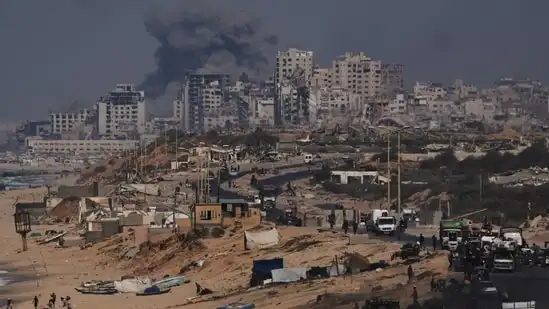
On the ground, the situation in Iran continues to deteriorate. In Tehran, protesters marched through neighborhoods chanting slogans such as “Freedom” and “Down with the dictator.” Security forces responded forcefully in some areas, with videos showing demonstrators being dragged away and loud explosions used to disperse crowds.
The violence has been especially severe in western and southwestern provinces. In Azna, Lorestan province, at least three people were ed and 17 injured when protesters stormed a police station, according to state affiliated media. Authorities said protesters threw stones, set vehicles on fire, and that some individuals were armed claims that could not be independently verified.
Earlier, in Lordegan county in Chaharmahal and Bakhtiari province, at least two people were ed during clashes between protesters and police. Government buildings and banks were reportedly ed. The first confirmed death linked to the protests occurred Wednesday night in Kuhdasht, where a member of the Basij paramilitary force was ed and several others injured.
Iranian authorities have carried out mass arrests in response. At least 20 people were detained in Kuhdasht, while 30 others were arrested in Malard county near Tehran for allegedly disrupting public order. Officials accused some demonstrators of abusing their right to protest.
The current unrest is widely seen as the most significant since the 2022 nationwide protests sparked by the death of Mahsa Amini while in police custody. While the latest demonstrations remain loosely organized, they reflect deep and persistent dissatisfaction with Iran’s political leadership, economic mismanagement, and restrictions on personal freedoms.
As protests continue and international pressure grows, Iran faces a volatile mix of domestic unrest and external threats. Whether the crisis escalates further may depend on how both Tehran and Washington navigate the coming days between defiance, deterrence, and the risk of open confrontation.




Is Trump really the best person to intervene in Iran? Seems like a recipe for disaster. Lets hope cooler heads prevail.
Do you think Trumps intervention in Iran will escalate tensions further or bring about positive ce? Share your thoughts!
I dont get why Trump is so quick to jump into other countries business. Focus on fixing America first!
I dont get why Trump feels the need to intervene in Iran. Let them handle their own issues! #HandsOffIran
Should Trump really intervene in Iran? Its like stirring a hornets nest. Lets stay out of it.
Do you think Trump should intervene in Iran? Or should he stay out of it? Lets discuss!
I think Trump should focus on domestic issues rather than getting involved in Iran. Lets fix our own problems first.