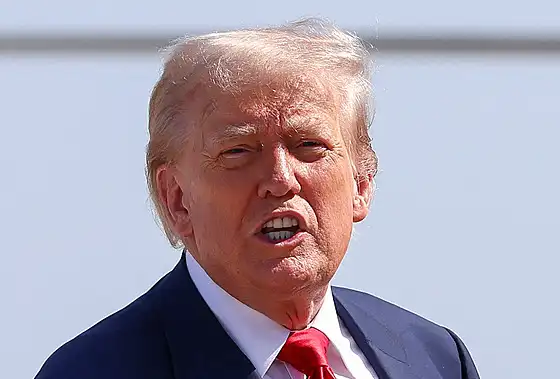
Donald Trump faced a major setback as the United States Supreme Court struck down his signature global tariffs, ruling that the emergency authority used to impose them exceeded presidential powers. The decision, issued Friday, included dissenting opinions from justices appointed by Trump himself, marking a complex political moment for the former president and the Republican Party.
While the ruling limits Trump’s ability to enforce large scale tariffs, some Republicans view it as a hidden benefit. By curbing the tools that contributed to short term economic disruptions and political backlash, the decision could protect Trump and the GOP from further public criticism over the impact of tariffs on the economy. Trump, however, quickly signaled intentions to impose 10 percent global tariffs under a different legal authority, which he later claimed would rise to 15 percent.
Trump’s tariffs had been controversial, coinciding with weak economic growth in 2025, including a 1.4 percent GDP increase in the fourth quarter and sluggish job gains. Public opinion also reflected disapproval, with polls showing 62 percent of Americans opposed to the tariffs and even 25 percent of Republican voters expressing discontent.
Legal experts note that alternative authorities, such as Section 122 of the Trade Act of 1974, impose stricter limits on tariff duration and rates, reducing Trump’s leverage in international negotiations. Chief Justice John Roberts emphasized procedural prerequisites and restrictions in his opinion, while Justice Neil Gorsuch encouraged Congress to handle trade issues legislatively.
The Supreme Court ruling also raises questions within the GOP, where tariff skeptics may see an opportunity to shift the party back toward free market principles. Trump’s persistence in pursuing aggressive tariffs could create internal tensions, especially as the country approaches midterm elections and the political stakes of economic policy remain high.









Leave a comment