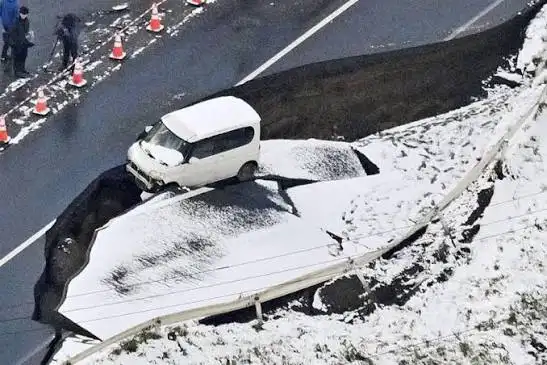
A strong earthquake has struck northeastern Japan, sending tremors across several prefectures and prompting immediate safety assessments by local authorities. Officials confirmed that while the shaking was significant, no tsunami warning was issued, easing fears of coastal impact. Emergency services were deployed quickly to evaluate infrastructure conditions and ensure public safety in affected communities throughout the region today.
Residents reported noticeable shaking that lasted for several seconds, causing concern but limited visible disruption in most urban areas. Public transportation systems experienced temporary suspensions as precautionary checks were conducted. Authorities urged citizens to remain calm while advising them to stay alert for aftershocks, which are common following seismic events of this magnitude across Japan’s tectonically active zones.
Government agencies initiated rapid response protocols, dispatching teams to inspect roads, bridges, and critical facilities. Early assessments indicated minimal structural damage, though detailed evaluations are ongoing. Officials emphasized the importance of preparedness measures that have been strengthened over years, contributing to effective responses that reduce risk and ensure swift recovery following natural events such as earthquakes in vulnerable regions.
Japan’s meteorological authorities confirmed that the earthquake originated offshore at a moderate depth, a factor that may have reduced the severity of ground impact. Experts explained that while the energy release was substantial, geological conditions influenced how the tremors were felt on land. This distinction played a key role in limiting widespread disruption and preventing more serious consequences for densely populated areas nearby.
The absence of a tsunami warning provided reassurance, particularly for coastal communities that are often at higher risk following undersea earthquakes. Officials stated that monitoring systems remain active and will continue to track any ces in sea levels. Residents were encouraged to follow official guidance and rely on verified information sources to avoid confusion during emergency situations of this nature.
Seismologists noted that Japan’s advanced early warning systems helped provide critical seconds of notice before the strongest shaking occurred. These systems, combined with strict building regulations, have significantly improved the country’s resilience to earthquakes. Experts highlighted that ongoing investment in disaster preparedness remains essential given the frequency of seismic activity along major fault lines in the region.
While the situation appears to be under control, authorities continue to monitor for aftershocks and potential secondary effects. Communities are being advised to check emergency supplies and review safety plans. The event serves as a reminder of Japan’s vulnerability to natural hazards, as well as the effectiveness of preparedness strategies that help mitigate risks and protect lives during such occurrences.












Leave a comment