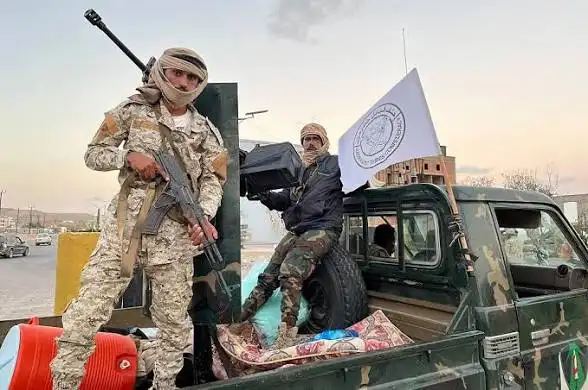
Strategic military movements have increased around the Gulf region as naval groups, air units, and support assets adjust positions in response to evolving security conditions. Officials across several capitals described the shifts as precautionary and coordinated with partners. Maritime tracking data and aviation notices indicate elevated operational tempo across key corridors and staging areas today.
Defense ministries reported rotational deployments, joint exercises, and readiness drills designed to maintain deterrence and interoperability. Command centers synchronized surveillance feeds with patrol schedules to enhance situational awareness. Authorities emphasized adherence to international law and freedom of navigation while refining contingency plans that account for weather patterns, logistics capacity, and partner consultations across theaters.
Regional governments convened security councils to review assessments and align messaging. Public statements balanced reassurance with vigilance, urging calm among residents and commercial stakeholders. Analysts said communication discipline aims to prevent misinterpretation while signaling preparedness. Energy exporters and shipping operators monitored advisories closely as routing decisions and insurance considerations evolved alongside operational updates.
Maritime authorities issued navigation guidance to reduce congestion and maintain safe transit through strategic waterways. Port operators adjusted berthing plans and pilotage services to accommodate fluctuating traffic. Aviation regulators updated flight paths and airspace notices as military activity influenced corridors. Logistics firms coordinated multimodal alternatives to sustain supply chains serving domestic and international markets.
Allied forces expanded liaison teams and interoperability protocols to streamline coordination. Training schedules incorporated scenario planning that tests command resilience and communications security. Officials highlighted proportionality and deconfliction measures to minimize risk. Observers noted that multinational engagement reflects shared interests in ility, commerce continuity, and crisis management across interconnected regional systems and institutions.
Economic planners evaluated potential impacts on trade flows, commodity pricing, and investor sentiment. Central banks and finance ministries reviewed contingency tools supporting market liquidity. Industry groups shared risk assessments and best practices for operational continuity. Experts said transparent updates can temper volatility while enabling businesses to adapt planning assumptions during heightened geopolitical sensitivity.
Officials reiterated that posture adjustments do not predetermine escalation. Future steps will reflect assessments, partner input, and diplomatic traction. Strategic messaging underscores readiness alongside openness to dialogue. Analysts expect continued monitoring of movements and signals as stakeholders balance deterrence objectives with efforts to preserve negotiation pathways under evolving regional conditions and international engagement frameworks.






Leave a comment