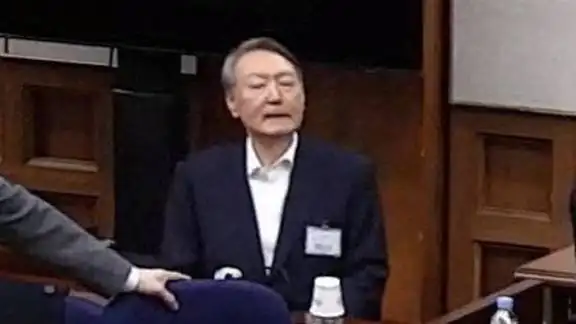
A court in Seoul has sentenced former South Korean President Yoon Suk Yeol to life imprisonment after finding him guilty of leading an insurrection linked to a failed attempt to impose martial law during the political crisis of 2024. The verdict marks one of the most consequential judicial decisions in the country’s modern democratic history and underscores the strength of constitutional safeguards in the face of executive overreach.
The Seoul Central District Court delivered its ruling after months of hearings that examined allegations that Yoon sought to bypass constitutional limits during a period of escalating political tensions. Prosecutors argued that the former president attempted to mobilize emergency powers beyond what is permitted under South Korea’s constitution, framing the move as a direct threat to democratic governance. The court concluded that the actions constituted insurrection, a charge that carries the most severe penalties under national law.
During proceedings, the prosecution presented testimony from senior officials and security personnel who described internal discussions surrounding emergency authority measures. According to court findings, the proposed actions would have curtailed legislative oversight and temporarily suspended certain civil liberties. Judges ruled that such steps violated constitutional order and undermined institutional checks and balances.
Defense lawyers contended that Yoon’s decisions were motivated by national security concerns and political inility. They argued that no martial law was ultimately enacted and that the situation did not result in prolonged disruption of democratic processes. However, the court determined that intent and preparatory actions were sufficient to meet the legal threshold for insurrection.
Public reaction in Seoul was mixed but largely orderly. Supporters of the ruling gathered near the courthouse, describing the sentence as a reaffirmation of the rule of law. Critics expressed concern about political polarization and warned that the verdict could deepen divisions within the electorate.
Legal analysts say the case reinforces South Korea’s precedent of holding former leaders accountable through the judiciary. Previous administrations have also faced investigations and convictions, reflecting a broader institutional commitment to transparency and legal scrutiny at the highest levels of power.
Government officials emphasized that state institutions remain le and that democratic processes continue without interruption. Markets showed limited volatility following the announcement, suggesting investor confidence in the country’s political resilience.
The former president is expected to appeal the decision, initiating what could become a lengthy legal process in higher courts. For now, the ruling stands as a defining chapter in South Korea’s constitutional history and a reminder of the enduring authority of its judicial system.









Leave a comment