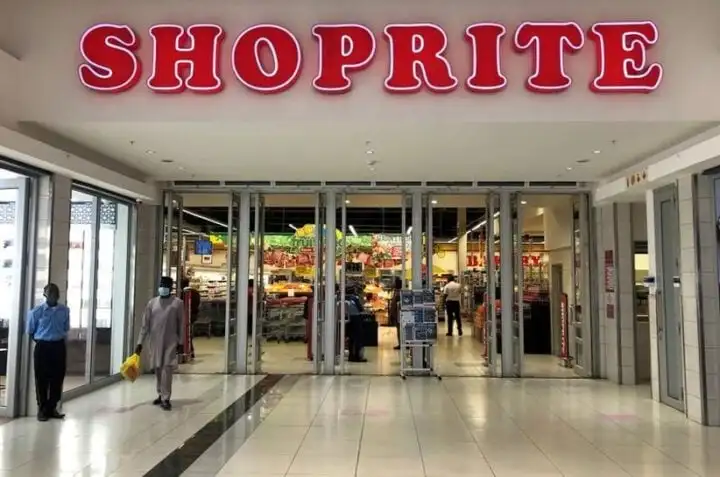
Nigeria’s retail and mall economy estimated at about N2.5 trillion has suffered a significant setback following the final shutdown of Shoprite stores across the country after nearly two decades of operations.
Analysts estimate that the closure of the retail giant could wipe out as much as N1.4 trillion in economic activity, as hundreds of small businesses, suppliers and service providers that relied on the supermarket’s operations face serious financial challenges.
The shutdown has affected thousands of workers directly employed by the company as well as many distributors and local manufacturers who depended on the supermarket chain as a major bulk buyer of food products, beverages and household goods.
Shoprite entered Nigeria in 2005 and quickly became one of the country’s most recognizable supermarket brands. The company expanded to about 25 outlets across 13 states, transforming modern retail shopping and driving traffic to many malls where it served as the main anchor tenant.
However, several economic challenges gradually weakened the business. The aftermath of the COVID 19 pandemic, rising import costs, foreign exce shortages and increased logistics expenses all contributed to mounting financial pressure on the company.
In 2021, Shoprite Holdings sold its Nigerian operations to Ketron Investment Limited, a consortium linked to Persianas Investment Limited. The company continued to operate under a franchise model through Retail Supermarkets Nigeria Limited.
Despite initial optimism after the ownership transition, shoppers began noticing empty shelves in several outlets during 2024. By late 2025, many stores in major cities including Lagos, Ibadan, Abuja and Kano had shut their doors completely.
The closure has had ripple effects across the retail ecosystem. Small businesses located within the same malls reported a drastic drop in customer traffic since the supermarket stopped operating. Many shops that once relied on the steady flow of customers visiting Shoprite now struggle to maintain daily sales.
Suppliers have also been heavily affected, as the supermarket previously purchased goods in bulk from local producers and distributors.
Retail Supermarkets Nigeria Limited said the shutdown does not represent a permanent exit from Nigeria but rather a comprehensive business model reset aimed at adapting to current economic realities.
For now, the empty supermarket spaces and deserted malls reflect the heavy impact of the shutdown on Nigeria’s retail landscape and the thousands of livelihoods connected to the once dominant supermarket chain.












Leave a comment