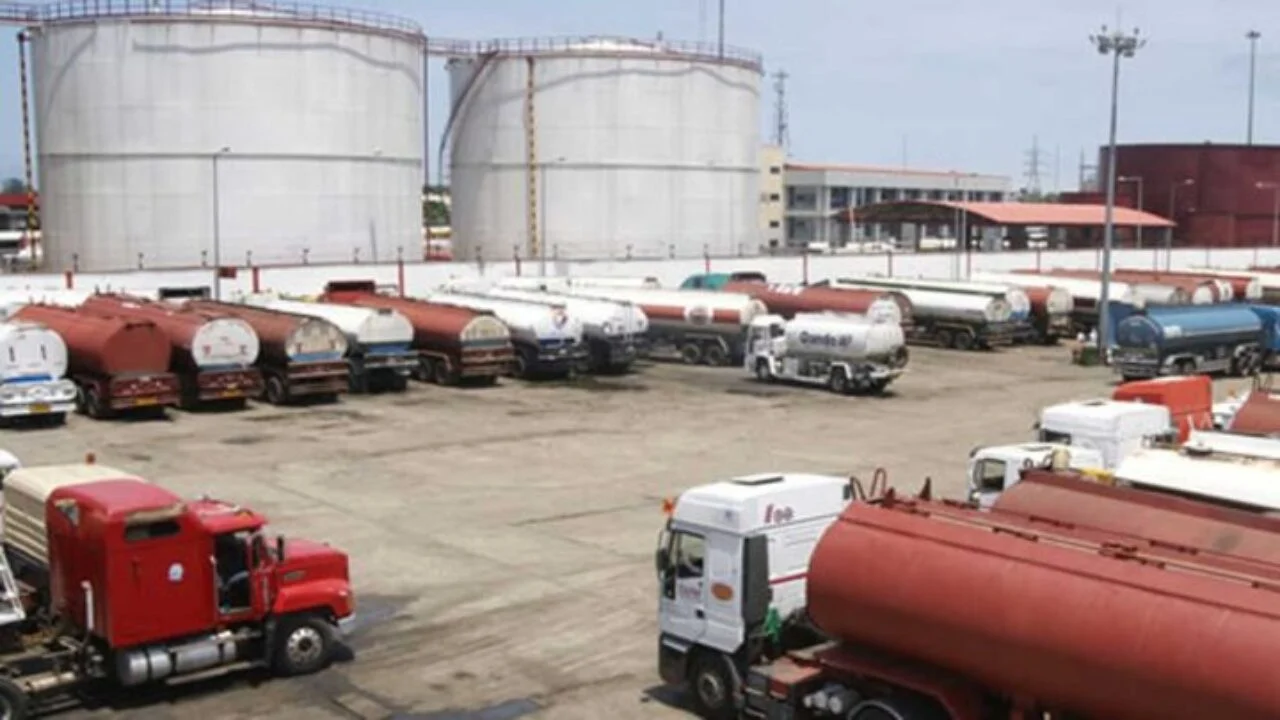
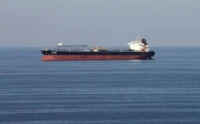
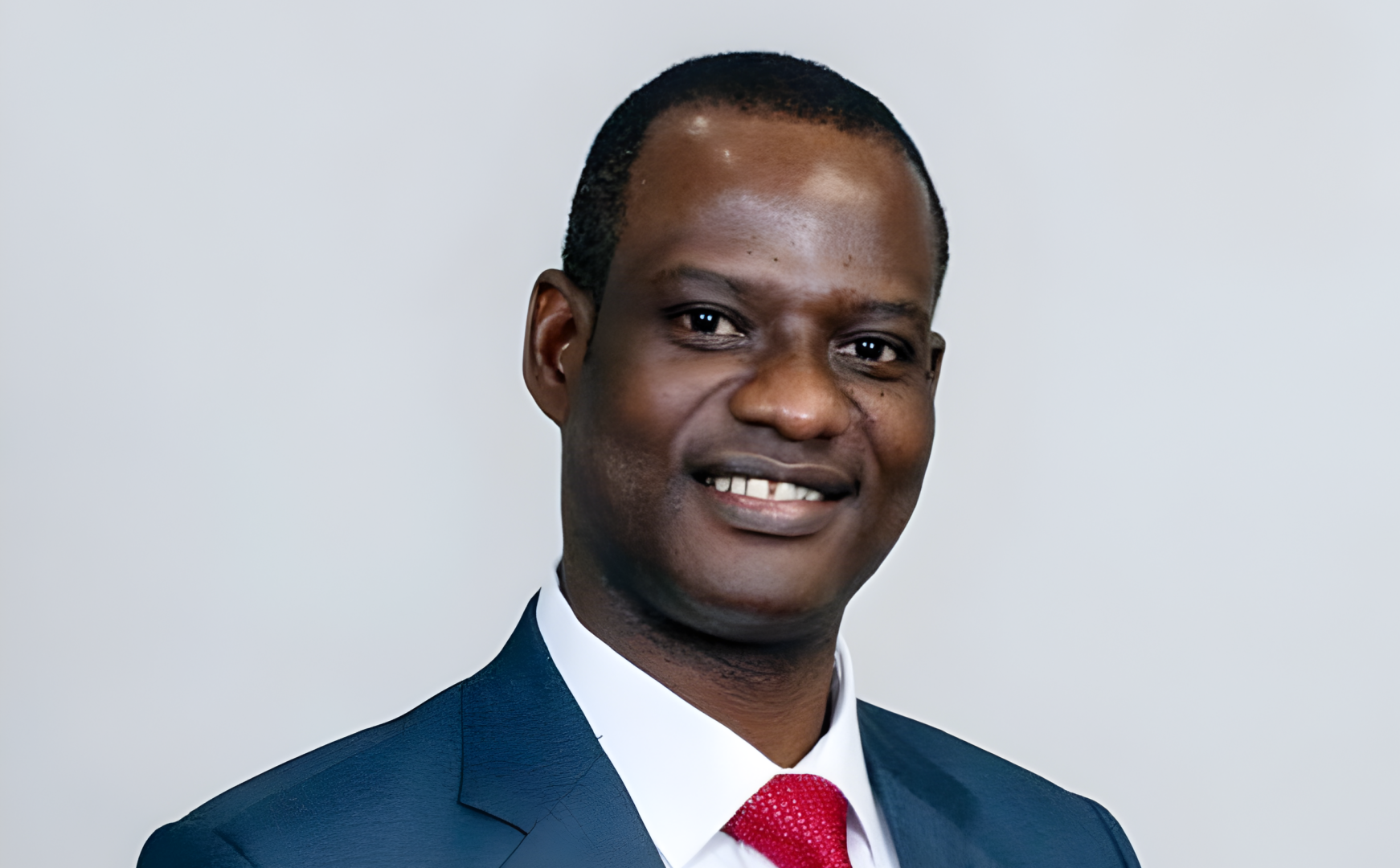
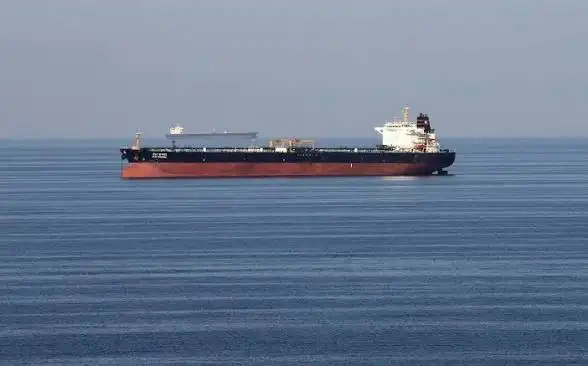
The CEO and president of Saudi Aramco, Amin H Nasser, has warned that the ongoing war in the Middle East could have unprecedented and catastrophic consequences on global oil markets. Speaking on Tuesday during a media briefing on Aramco’s 2025 earnings, Nasser stressed the urgent need to reopen the Strait of Hormuz, which normally carries about twenty percent of the world’s oil supplies but has been closed due to the conflict.
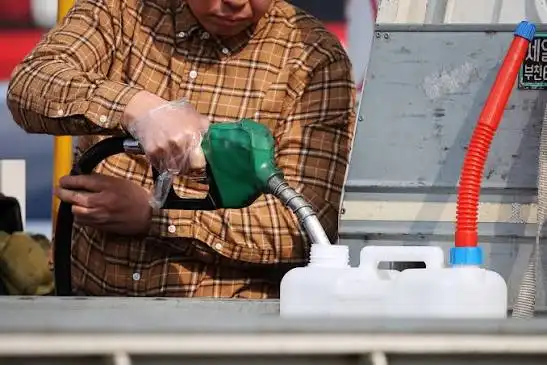
Oil prices have fluctuated sharply in recent days, surging thirty percent before dropping again after US President Donald Trump suggested the war could soon end. Nasser described the disruption as causing a severe chain reaction affecting shipping insurance aviation agriculture automotive and other key industries.
“The longer the disruption continues the more severe the consequences for the global economy,” Nasser said, describing the situation as the biggest crisis the Gulf energy sector has ever faced. Aramco reported a twelve point one percent decline in net income for 2025, falling to $93.38 billion from $106.24 billion in 2024, citing higher supply US tariffs and economic headwinds.
The company also announced its first-ever share buyback program of up to $3 billion over eighteen months. Adjusted net income dropped five point one percent to $104.65 billion in 2025 from $110.29 billion in 2024, amid continued production increases by OPEC plus which have pressured prices.
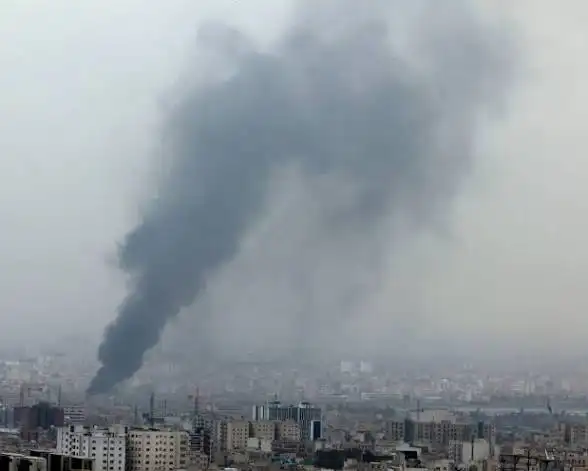
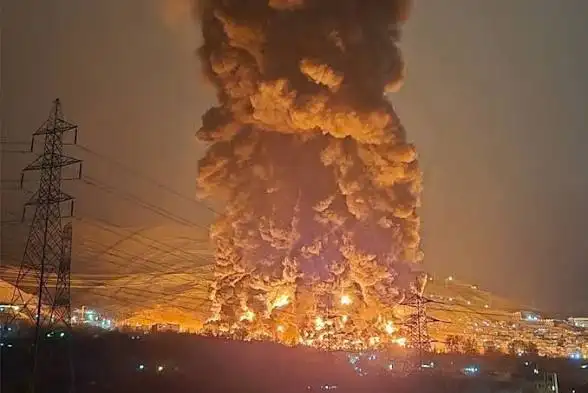
The Middle East conflict has severely disrupted oil production and supply. Iran has targeted energy installations across the Gulf including Aramco’s Ras Tanura facility, halting some operations. Saudi oil fields and Bahrain’s Al Ma’ameer facility were also ed, with state-owned Bapco declaring force majeure. Qatar and Kuwait energy producers made similar announcements, signaling risks to global contracts.
Nasser emphasized that resuming shipping in the Strait of Hormuz is critical to ilizing energy markets and preventing further economic fallout. He noted that the conflict has created widespread inility across the Gulf oil and gas industry, warning that the longer it persists the greater the risk to the world economy.



Leave a comment