
Ardent supporters of President Bola Ahmed Tinubu continue to dominate public discourse with unwavering loyalty, often dismissing criticism and reframing concerns about governance as mere opposition noise. This growing divide between critics and loyalists reflects a deeper issue within Nigeria’s political culture, where performance is frequently overshadowed by personality driven allegiance.
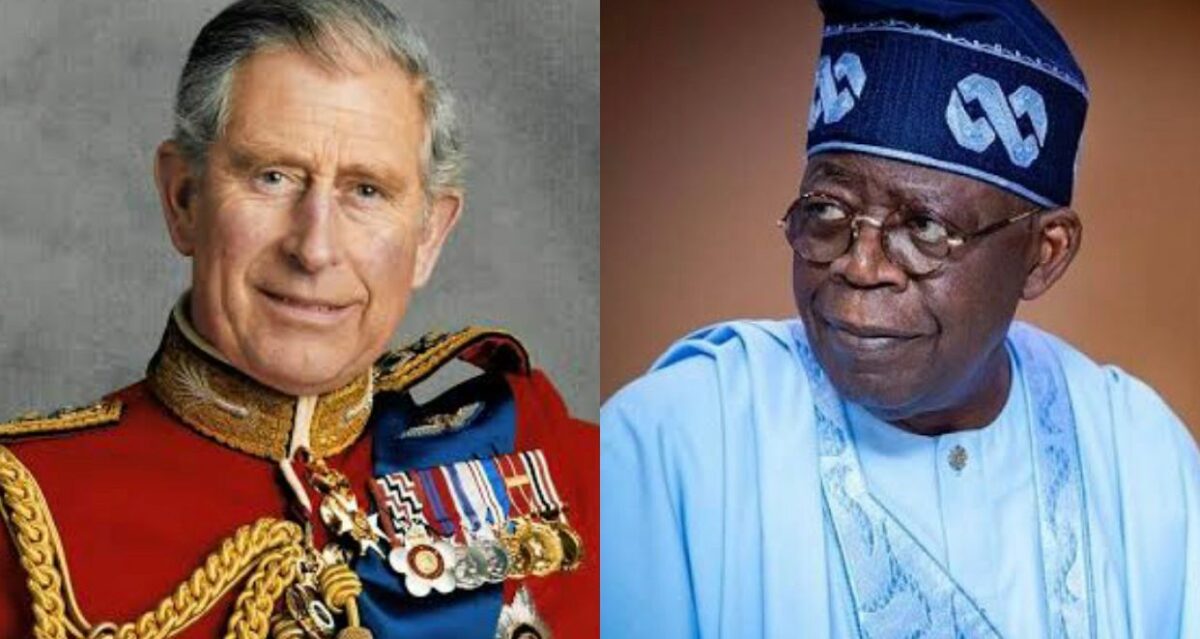
The recent state visit to the United Kingdom has further intensified this divide. Admirers portray the visit as a crowning achievement, citing the grandeur of royal receptions as evidence of global respect and validation. However, a more measured perspective suggests that such diplomatic gestures are often rooted in strategic interests rather than personal admiration. The United Kingdom, like other global powers, is navigating shifting alliances in West Africa, where influence is increasingly contested by countries such as France, as well as emerging global players.
Nigeria’s geopolitical importance makes it a key partner, regardless of who occupies the presidency. Therefore, the lavish reception may reflect national significance rather than individual merit. This distinction is crucial, yet often overlooked in emotionally charged narratives.
Equally concerning is the reaction among sections of the Nigerian public, where excitement over royal engagement risks reinforcing perceptions of lingering colonial mentality. While international recognition is valuable, it should not eclipse the need for critical evaluation of leadership at home.
As Nigeria looks ahead to the 2027 elections, questions about political opposition, democratic space, and the concentration of power remain pressing. Observers note a weakening opposition landscape, raising concerns about the health of the nation’s democracy.
Ultimately, while diplomatic engagements can offer opportunities, their true value lies in tangible benefits for citizens. Symbolism alone cannot address economic hardship, governance challenges, or institutional decline. Nigerians must remain focused on outcomes rather than optics, ensuring that leadership is judged by impact, not ceremony.









Leave a comment