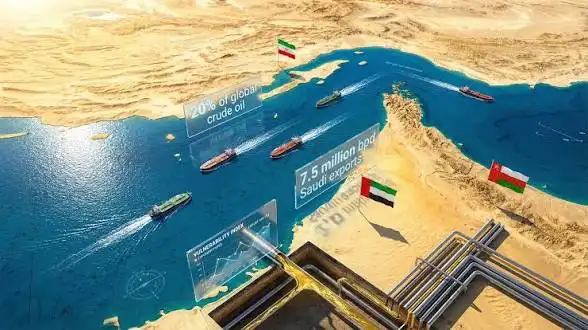
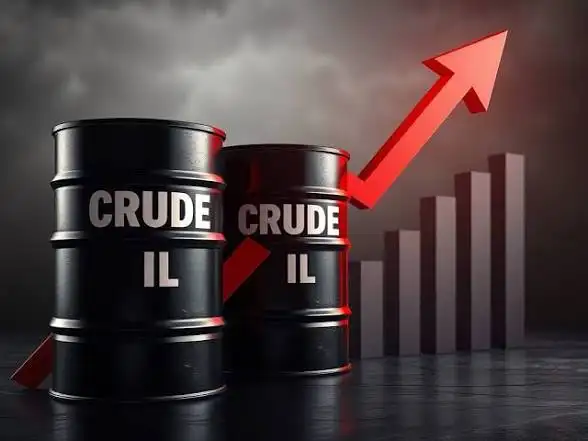
The ongoing conflict in the Middle East has triggered a sharp rise in global oil prices and strengthened the US dollar as investors seek safe haven assets. s on Gulf infrastructure and the blockade of the strategic Strait of Hormuz have pushed Brent North Sea crude, the global benchmark, up by over one third to around $100 per barrel.
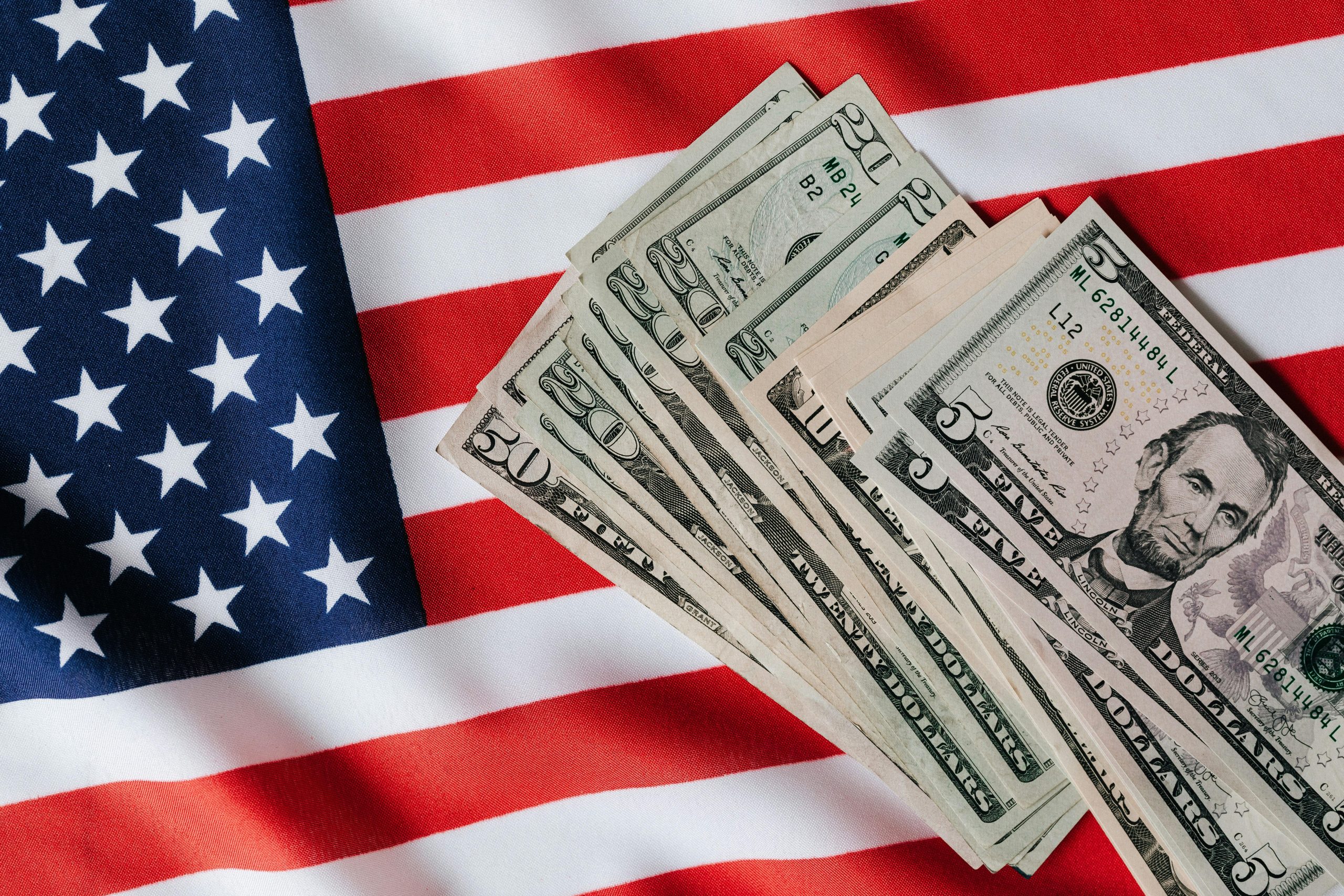
The surge in oil prices has increased demand for dollars, the currency used to price oil and gas, leading to a 2.5 percent appreciation since the start of hostilities, according to the Dollar Index. The greenback remains highly liquid and favoured for international trade as well as central bank reserves.
The United States has largely been spared from the crisis due to its position as the world’s leading crude producer. The country imports only eight percent of its oil from the Gulf compared with nearly two-thirds from Canada. Higher oil prices also benefit the US trade balance as a net exporter of refined petroleum products and gas.
Rising energy costs have added the possibility of higher inflation, which could prompt the Federal Reserve to slow interest rate cuts or even raise borrowing costs. Higher rates strengthen the dollar but weigh on traditional safe havens such as gold. Analysts caution that the dollar’s gains may be offset by concerns over US debt levels, tariffs, and political pressures affecting the Federal Reserve.
Market experts note a paradox in US policy, with President Trump advocating a weak dollar to support exports while Treasury officials maintain a strong dollar stance. Observers warn that the ongoing conflict and increased military spending could complicate the administration’s economic objectives, even as the dollar remains in high demand.










Leave a comment