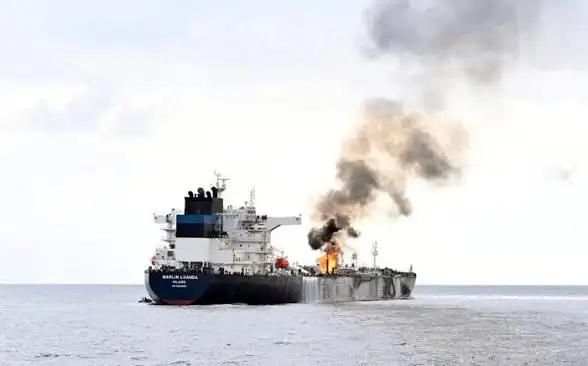
Shipping activity in the Red Sea is facing renewed risks following reports of missile activity attributed to Yemen Houthi forces according to maritime security updates. Authorities monitoring the region indicated that recent developments have prompted heightened caution among commercial operators with several vessels adjusting transit plans to avoid areas considered potentially exposed to emerging threats within key navigation corridors.
Maritime security agencies have issued advisories urging vessels to maintain increased vigilance while transiting affected waters. Guidance includes enhanced communication protocols and coordination with naval patrols operating in the region. Shipping companies are reviewing route strategies to balance efficiency with safety as concerns persist regarding the potential for further disruptions linked to evolving regional conditions.
Industry analysts note that the Red Sea remains a critical artery for global trade connecting major shipping routes between Europe Asia and the Middle East. Any disruption within this corridor can have immediate implications for supply chains particularly in sectors reliant on timely deliveries. The latest developments have therefore drawn close attention from logistics firms and international trade stakeholders.
Naval forces from multiple countries have increased their presence in strategic areas of the Red Sea to support monitoring and response capabilities. These deployments are aimed at ensuring the safety of commercial vessels while maintaining freedom of navigation. Coordination efforts among international partners have also been strengthened to facilitate rapid information sharing and situational awareness.
Insurance providers are reassessing risk levels associated with Red Sea transit as part of ongoing evaluations influenced by regional security conditions. Premium adjustments and revised coverage terms are being considered by some firms reflecting the heightened uncertainty. Such ces can affect operational costs for shipping companies and influence broader pricing within global trade networks.
International organizations have called for restraint and emphasized the importance of safeguarding maritime routes that support global commerce. The United Nations has highlighted the need for adherence to international maritime law while encouraging dialogue to address underlying tensions. Efforts to prevent further escalation are seen as essential to maintaining confidence in critical transport corridors.
Economic experts suggest that continued uncertainty in the Red Sea could have ripple effects across global markets particularly in energy and consumer goods sectors. While trade flows have not been significantly disrupted so far the potential for prolonged risk underscores the importance of coordinated international responses and sustained diplomatic engagement to protect vital shipping lanes.












Leave a comment