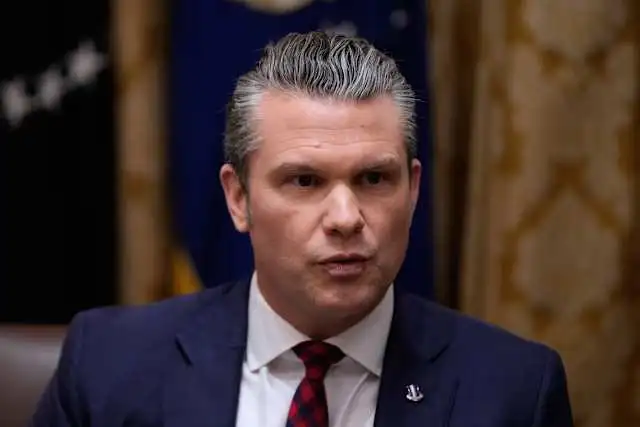
A recent Pentagon Inspector General report has highlighted serious concerns regarding Defense Secretary Pete Hegseth’s sharing of sensitive information through the Signal messaging app, which is unauthorized for classified communications. While Hegseth, who holds the authority to declassify information, was not found to have leaked classified material, the investigation revealed violations of Pentagon policy by using a personal device for official discussions. It was noted that this misuse could endanger U.S. personnel and missions, particularly since specific details about a military strike against Yemen’s Houthi militants were shared.
The situation escalated when a journalist was accidentally included in the Signal chat where sensitive details were discussed, raising alarms about the potential interception of this information. Lawmakers have expressed outrage, suggesting that lower-ranking personnel would face severe consequences for similar actions. The incident has prompted discussions on the importance of secure communication practices within the Pentagon and the necessity for heightened training.
In defense, Hegseth argued that the shared information was unclassified and part of media coordination, asserting that he believed it did not jeopardize operational security. The report found no evidence of operational breaches. However, this incident has sparked legal challenges, including a lawsuit from The New York Times against new media access rules at the Pentagon, which they claim infringe on free speech rights.
Furthermore, Representative Shri Thanedar (D-Mich.) has indicated a desire to introduce articles of impeachment against Hegseth, referring to the “Signalgate” scandal. This move has received mixed reactions within the Democratic Party, demonstrating divisions regarding the appropriateness of impeachment. Overall, the situation underscores the critical need for adherence to secure communication protocols within the Department of Defense.










Wow, can you believe Hegseths actions? Such a breach of trust! Do you think he should face serious consequences?
Wow, can you believe Hegseths actions put our personnel at risk? Insane! Should he face serious consequences for this?
Wow, can you believe Hegseth endangered our troops? Unacceptable behavior from a public figure. What repercussions should he face?
Wow, this Hegseth situation is wild! Do you think he should face consequences for compromising our safety? Lets discuss!
Wow, can you believe Hegseths actions? Such a breach of trust with our personnels safety. Whats your take on this?
Wow, can you believe Hegseth endangered our troops with his reckless signal usage? Unbelievable. Time for some accountability!
Interesting read! Do you think Hegseths actions were justified for national security or a breach of trust? Lets discuss! 🤔
Wow, just when you think youve heard it all. Can we trust Hegseth with our safety after this revelation? Time to rethink things.
Wow, can you believe Hegseth jeopardized safety using Signal? Insane! Should he be held accountable? Lets discuss. 🤔🔍 #PentagonDrama