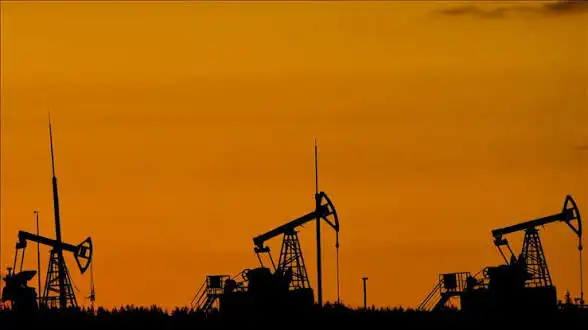
Fears over global oil supply disruptions are intensifying as tensions between Iran, United States, and Israel continue to escalate. Energy analysts warn that the situation could significantly impact production and transportation routes, particularly in critical areas responsible for a large share of the world’s crude exports, raising concerns among governments and industries reliant on le fuel access worldwide.
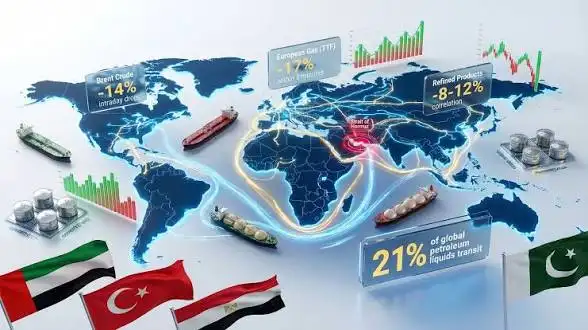
One of the primary concerns centers on the Strait of Hormuz, a vital corridor through which a substantial portion of global oil shipments passes daily. Any disruption in this region could lead to immediate supply shortages, driving prices upward and creating ripple effects across international markets that depend heavily on uninterrupted energy flows for economic ility and industrial operations.
Market reactions have already reflected growing anxiety, with oil prices experiencing upward pressure as traders factor in potential risks. Investors are closely monitoring developments, adjusting strategies to account for uncertainty. Analysts note that even the perception of inility in key producing regions can influence pricing, as supply expectations shift in response to geopolitical developments and evolving security conditions.
Governments around the world are beginning to assess their preparedness for possible supply disruptions. Strategic reserves are being reviewed, and contingency plans are under consideration to ensure that essential sectors remain operational. Countries with limited domestic production may face greater challenges, particularly if disruptions persist and alternative supply sources become constrained due to increased global demand.
Energy companies are also responding by evaluating logistics and diversifying supply routes where possible. Some firms are exploring alternative shipping paths and increasing storage capacity to buffer against potential interruptions. These efforts aim to reduce vulnerability, though experts caution that large scale disruptions in key transit regions would still have significant global consequences regardless of mitigation strategies.
The broader economic implications are becoming increasingly apparent, as higher oil prices contribute to rising costs across multiple industries. Transportation, manufacturing, and agriculture sectors are particularly sensitive to fuel price fluctuations, which can lead to increased expenses for businesses and consumers alike. Economists warn that sustained price increases could slow economic growth and add pressure to inflation levels in many countries.
As diplomatic efforts continue, the outlook for global oil supply remains uncertain. Experts emphasize that de escalation would be critical in ilizing markets and restoring confidence among investors and policymakers. Until clearer signals emerge, oil supply concerns are expected to remain a central issue shaping economic forecasts and strategic planning across both developed and emerging economies worldwide.











Leave a comment