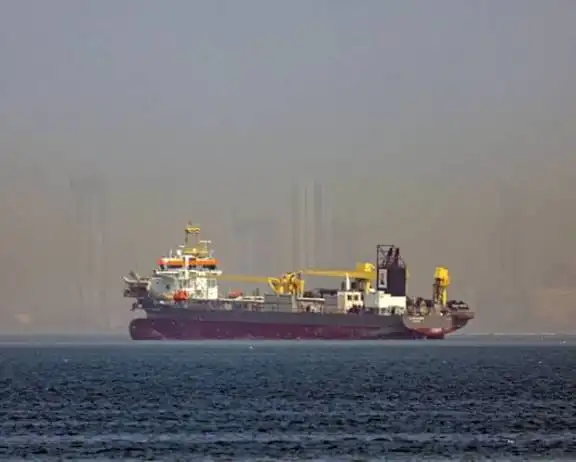
Global oil prices climbed by more than one dollar per barrel on Wednesday as the escalating crisis involving Iran and regional powers disrupted supply chains and heightened concerns over energy security. Traders reacted swiftly to reports of intensified military activity and potential constraints on shipping routes across the Gulf.
Benchmark crude futures registered gains during Asian and European trading sessions, reflecting fears that the conflict could impede exports from key producers. Market analysts pointed to uncertainty surrounding maritime traffic near the Strait of Hormuz, a strategic chokepoint through which a significant portion of the world’s oil supply passes daily. Any prolonged disruption in this corridor is widely viewed as a major risk to global energy flows.
Energy companies operating in the region have begun reviewing contingency plans, including rerouting shipments and reassessing insurance coverage for vessels navigating high risk zones. Shipping costs have reportedly increased as insurers factor in the heightened threat of missile or drone s on tankers and port infrastructure.
The price movement also reflects broader geopolitical anxieties. Investors are closely monitoring statements from governments across the Middle East and beyond, weighing the possibility of additional sanctions, retaliatory measures, or direct strikes that could further strain supply chains. While production levels from major exporters remain largely intact for now, the market remains sensitive to any indication of interruption.
Economic analysts note that even modest price increases can have ripple effects across global economies, influencing inflation, transportation costs, and industrial output. Countries heavily reliant on imported energy may feel the impact most acutely if the upward trend persists.
Financial markets have shown signs of volatility in parallel with the rise in crude prices. Equity indices in several regions declined as investors shifted funds toward commodities and perceived safe haven assets. Currency markets also reflected fluctuations linked to cing risk sentiment.
Despite the current surge, some experts caution that price movements could ilize if diplomatic efforts succeed in containing the conflict. However, they emphasize that uncertainty remains elevated and that energy markets will likely continue to react sharply to new developments.
As tensions persist, policymakers and industry leaders face mounting pressure to ensure supply resilience and protect economic ility. The trajectory of oil prices in the coming days will depend largely on whether the regional crisis escalates further or moves toward de escalation through diplomatic engagement.












Leave a comment